


Recent Developments and Applications of Flat Resistor Technology
 Jan 20, 2025|
 View:1473
Flat resistors have become increasingly important in modern electronics due to their unique combination of high performance, compact design, and versatility. These resistors are essential components in a wide range of applications, from consumer electronics to high-voltage systems. Recent advancements in materials, manufacturing techniques, and application-specific designs have further expanded their capabilities and market potential.
1. Technological Innovations in Flat Resistor Design
1.1 Polymer Thick Film Resistor ImprovementsRecent developments in polymer thick film resistor technology have focused on improving resistor value predictability and stability. Innovations in termination design and segmenting techniques have enhanced the performance of these resistors, making them more suitable for high-precision applications. These improvements are particularly beneficial in applications requiring high reliability and minimal drift over time.
1.2 High-Voltage Flat Resistor DevelopmentsHigh-voltage flat resistors have seen significant advancements, with manufacturers like Miba offering customizable solutions to meet specific customer needs. These resistors are available in various voltage ranges (up to 35 kV) and can be adapted to different mechanical dimensions and coating options. Their non-inductive design and RoHS compliance make them ideal for high-voltage measuring equipment, power supply devices, and medical technology.
2. Market Trends and Growth Drivers
2.1 Consumer Electronics and Automotive SectorsThe growing demand for consumer electronics and the increasing electrification of vehicles are key drivers for the flat resistor market. Smartphones, tablets, and wearable devices rely heavily on compact, high-performance resistors to ensure efficient operation. Similarly, the automotive industry, particularly with the rise of electric vehicles (EVs) and advanced driver-assistance systems (ADAS), requires resistors for battery management, power conversion, and control systems.
2.2 Industrial Automation and IoTThe shift towards Industry 4.0 and the widespread adoption of IoT devices are fueling the demand for resistors in smart manufacturing and connected systems. Flat resistors, with their ability to support high-density mounting and miniaturization, are well-suited for these applications. Their precision and reliability make them essential components in ensuring efficient data processing and communication.
2.3 Renewable Energy and Power SystemsThe development of renewable energy sources, such as solar and wind power, is another significant growth driver. Flat resistors are crucial in controlling and distributing electrical energy efficiently in these systems. Their high precision and stability help optimize energy management and reduce power losses.
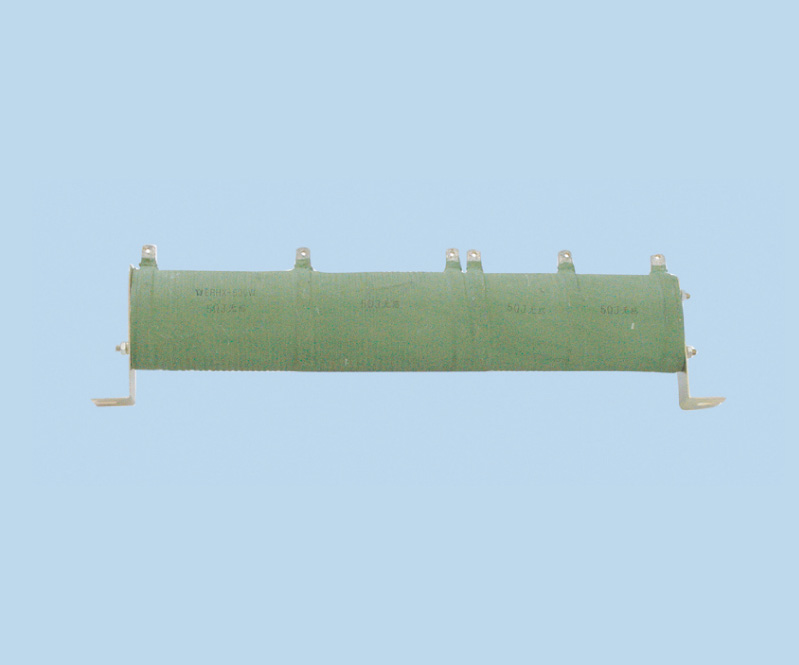
3. Applications of Flat Resistors
3.1 High-Voltage ApplicationsHigh-voltage flat resistors are extensively used in medical technology, particularly in X-ray equipment and electrostatic devices. These resistors provide precise control over high-voltage circuits, ensuring accurate imaging and diagnostic capabilities. Their non-inductive design and low temperature coefficient of resistance (TCR) make them ideal for maintaining stability under varying conditions.
3.2 Power Supply and Motor Control SystemsIn power supply and motor control systems, flat resistors are used to manage current flow and voltage levels efficiently. Their compact size and high performance make them suitable for applications where space is limited, such as in electric vehicles and industrial machinery. These resistors also play a crucial role in smart grid sensing and metering, contributing to energy efficiency and reliability.
3.3 Consumer Electronics and Wearable DevicesFlat resistors are integral to consumer electronics, providing essential functions such as voltage division, current limiting, and signal conditioning. Their miniaturization allows for integration into compact devices like smartphones and wearable health monitors, where space and weight are critical factors.
4. Future Outlook and Challenges
4.1 Material and Manufacturing InnovationsFuture advancements in flat resistor technology will likely focus on developing new materials and manufacturing processes to enhance performance and reduce costs. Research into thin-film materials and advanced deposition techniques is expected to lead to resistors with even lower TCR and higher precision. Additionally, the exploration of alternative materials, such as carbon composites, may provide further improvements in stability and reliability.
4.2 Environmental and Sustainability ConsiderationsWith increasing global emphasis on sustainability, the development of environmentally friendly resistor materials and manufacturing processes will become more critical. This includes the use of RoHS-compliant materials and the reduction of hazardous substances in production.
4.3 Customization and Specialized ApplicationsThe demand for customized resistor solutions will continue to grow, particularly in high-performance sectors such as aerospace, medical devices, and precision instrumentation. Manufacturers will need to invest in R&D and testing capabilities to develop resistors tailored to specific application requirements.
Flat resistors are at the forefront of modern electronics, offering high performance, compact design, and versatility across a wide range of applications. Recent advancements in materials, manufacturing techniques, and application-specific designs have further expanded their capabilities and market potential. As the electronics industry continues to evolve, flat resistors will remain a critical component, driving innovation and efficiency in various sectors. Future developments will focus on enhancing performance, reducing costs, and addressing environmental considerations to meet the growing demands of the global market.
Related products


