


Toroidal Coils vs Rod Inductors for Motor Controller Filtering
 Jul 20, 2026|
 View:218
You want your motor controller to work its best. Toroidal coils lower electromagnetic interference (EMI) better than rod inductors. They also make your device more efficient. Picking the right inductor changes how well your device works. It also affects how long it lasts and its price. You will see examples from trusted companies like Changzhou Southern Electronic Element Factory in the next parts.
Key Takeaways
Pick toroidal inductors to lower electromagnetic interference (EMI). Their doughnut shape keeps the magnetic field inside. This makes the motor run more quietly.
Use toroidal inductors to make things work better. They waste less energy and help the motor controller stay cool. This helps everything work well.
Choose toroidal inductors for small designs. They give high inductance in a small size. This saves space on your circuit board.
Use rod inductors for simple filtering if you need to save money. They are easier and cost less. But they may not work well at high frequencies.
Follow helpful tips for placing and picking inductors. Putting them in the right spot and picking the right value helps your motor controller work better.
Toroidal Coils and Rod Inductors
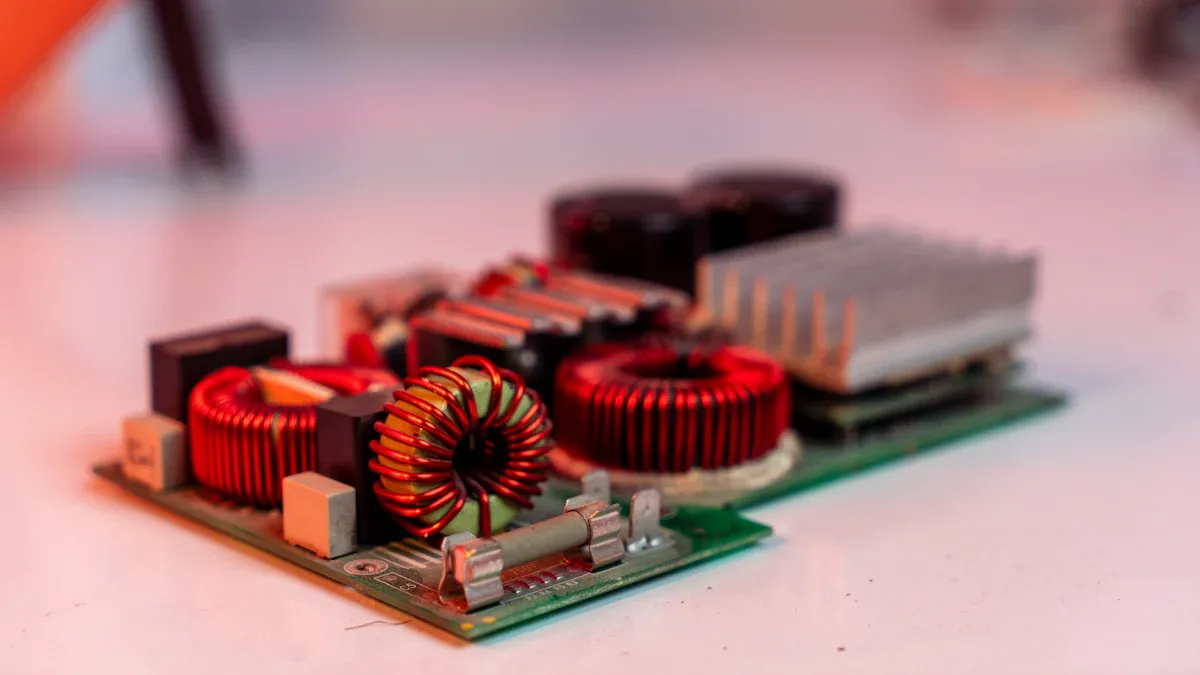
Construction and Design
When you look at a toroidal inductor, it has a round, doughnut core. This shape keeps the magnetic field inside the core. Because of this, there is less electromagnetic interference. The magnetic flux stays inside and does not leak out. A rod inductor has a straight rod as its core. The magnetic field can escape more easily from a rod inductor. This can cause more interference.
Changzhou Southern Electronic Element Factory Co., Ltd. is a top maker of toroidal inductors. Their products follow important rules for the industry. Here is a table that shows what the certifications mean:
Certification | Meaning | Importance |
|---|---|---|
ISO | Good quality control | Makes sure the product is always good |
RoHS | No hazardous materials | Helps keep people and the planet safe |
UL | Safe and reliable parts | Makes engineers and builders trust the parts |
These certifications help you know the toroidal inductor is safe and works well.
Working Principles
A toroidal inductor is made by wrapping copper wire around the doughnut core. This loop makes a strong path for the magnetic field. It gives high inductance and works better. The design keeps almost all the magnetic flux inside. This means less energy is lost and there is less noise. Toroidal coils are great for motor controller filtering because they block unwanted signals.
Rod inductors are made by winding wire around a straight rod. The magnetic field is not kept inside as well. This can cause more electromagnetic interference. Both types store energy and filter signals. But toroidal inductors work better in places with high frequencies and low noise.
If you want your motor controller to work quietly and well, you should use a toroidal inductor. Its special shape helps you get better results with less interference.
Toroidal Inductor Performance
EMI Reduction
You want your motor controller to work well and not have extra electromagnetic interference. A toroidal inductor helps you do this. Its doughnut shape keeps the magnetic field inside the core. This design cuts down on electromagnetic interference and blocks high-frequency noise. Using a toroidal inductor means your system will have less noise. The inductor has many wire turns wrapped around the core. Each turn makes the inductance and q higher. A high q lets the inductor block more electromagnetic interference. Your motor controller works better because the toroidal inductor lowers emi and keeps the signal clean.
Tip: To lower electromagnetic interference, pick a toroidal inductor with more wire turns and higher inductance. This gives you better reactance and a higher q.
Efficiency and Heat Management
You want your motor controller to be efficient. A toroidal inductor helps it work well and stay cool. The closed core shape keeps the magnetic field from leaking out. This means the inductor does not waste energy. More wire turns give higher inductive reactance, so it blocks unwanted signals better. The q stays high, even at high frequencies. This helps keep your system efficient and cool.
Adding more inductance slows down how fast current rises. This helps your PWM circuit control current limiting better.
The inductor might have small losses, but you will see less heat in your controller and wires.
The toroidal inductor makes your system more efficient and helps it stay cool.
The high q and high inductance make the toroidal inductor great for high power density uses. You get better efficiency and less electromagnetic interference. The wire turns on the core give you the reactance you need for top performance.
Compactness and Space Saving
You want your motor controller to be small. A toroidal inductor helps save space. Its doughnut shape lets you wrap many wire turns in a small area. You get high inductance and high q without making the inductor big. The toroidal design gives you high reactance in a small size. You can use fewer inductors because each one does more work.
Feature | Toroidal Inductor | Rod Inductor |
|---|---|---|
Core Shape | Doughnut | Straight Rod |
Turns | Many in small space | Fewer, spread out |
Inductance | High | Lower |
Reactance | High | Lower |
Space Saving | Excellent | Moderate |
Q | High | Lower |
You get better results and less electromagnetic interference with a toroidal inductor. The high q and many turns give you the inductive reactance you need. You can fit more power in a smaller space. This makes your motor controller lighter and easier to build.
Note: If you want high power density and top performance, a toroidal inductor is the best pick. You get high inductance, high q, and high reactance in a small size.
Rod Inductor Comparison
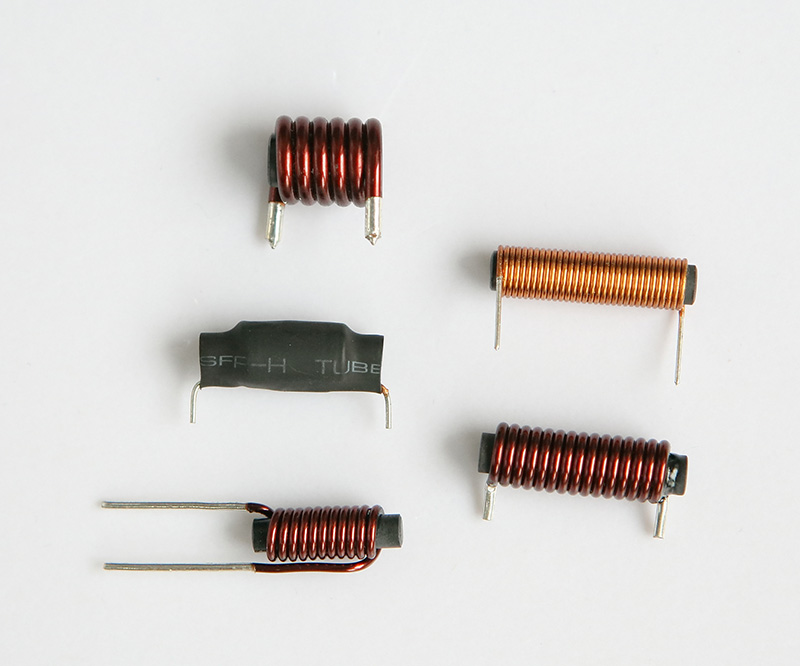
Cost and Manufacturing
A standard inductor with a rod core usually costs less. It is cheaper than a toroidal inductor. The design is simple, so it is fast to make. There are not many steps in making it. The rod shape makes winding wire easy. This helps keep the price low. If you need a lot of standard inductors, you can save money. A standard inductor uses less material. It is a good choice for basic filtering jobs. You do not need high inductance or low noise for these jobs.
Tip: If you do not have much money for your project, a standard inductor with a rod core can help you save.
Mounting and Size
A standard inductor with a rod core comes in many sizes. You can find small ones or big ones. This gives you more choices for your circuit board. The straight shape makes it easy to put on the board. You can use through-hole or surface-mount types. If you need to fit it in a small space, pick a smaller size. But you may need more standard inductors to get the same inductance as a toroidal inductor. This can use more space in your design.
Feature | Standard Inductor (Rod) | Toroidal Inductor |
|---|---|---|
Mounting | Easy | Moderate |
Size Options | Many | Fewer |
Space Needed | More | Less |
Performance Limitations
A standard inductor with a rod core has some limits. The open shape lets more magnetic field escape. This can cause more emi and noise in your motor controller. You may get lower inductance for the same size as a toroidal inductor. If you want high efficiency, a standard inductor may not be the best. The design can make more heat and less stable inductance at high frequencies. You may need to use more standard inductors to get the same effect as one toroidal inductor. This can make your system less efficient and noisier.
Note: For the best filtering, a toroidal inductor gives you better inductance, less noise, and higher efficiency than a standard inductor.
Inductor Application Advice
When to Use Toroidal Coils
Pick toroidal coils if your motor controller needs strong filtering. They are best for places where noise is a problem. The toroidal shape keeps the magnetic field inside. This lowers emi and noise. You get high inductance in a small space. This helps your system stay cool and reliable.
Here is a table that shows where toroidal inductors help most:
Application Scenario | Benefit Description |
|---|---|
Variable Frequency Drives | Protects motors from insulation stress and high-frequency transients |
Pumps | Prevents insulation and bearing damage in continuously running motors |
Fans & Blowers | Reduces voltage spikes and acoustic noise caused by fast switching |
Compressors | Mitigates reflected voltage peaks under heavy mechanical loads |
Conveyors | Protects motors during frequent starts, stops, and speed changes |
HVAC Systems | Reduces electrical stress in AHUs, chillers, and fans |
Long Motor Cable Runs | Limits voltage overshoot and reflections |
Three-Phase Induction Motors | Suitable for legacy motors not designed for inverter duty |
Toroidal inductors work best in these situations. High inductance and low noise help your motor controller last longer.
When to Use Rod Inductors
Use a rod inductor if you need basic filtering and want to save money. Rod inductors are good for simple circuits. You do not need high inductance or low noise for these jobs. If your project does not need strong emi control, a rod inductor is a good pick. You can choose from many sizes and mounting styles. This makes it easy to fit the inductor into your design.
Practical Tips for Motor Controller Filtering
You can make your motor controller filtering better by following these tips:
Put the inductor away from sensitive parts like the microcontroller and crystal. This lowers emi and noise.
Use the right inductance value for your job. Too little will not block enough noise. Too much can slow your circuit.
Make sure the inductor can handle the current in your motor controller. This keeps your system safe and efficient.
Pick a toroidal inductor for strong filtering and high efficiency. Use a rod inductor for simple, low-cost designs.
Tip: Careful placement and picking the right inductance value help you get the best performance from your inductor.
You get better results when you use toroidal coils for motor controller filtering. They help your device work well and make less EMI. The magnetic field is strong and stays inside the coil. You also save space on your circuit board. Here are the main reasons why toroidal coils are good:
Advantage | Description |
|---|---|
High Efficiency | Less energy is wasted, so your system works better |
Compact Design | You get more inductance in a smaller part |
Low EMI | There is less noise for your electronics |
Strong Magnetic Field | Filtering stays steady for many different uses |
Rod inductors are good if you want something simple and cheap. If you need high-quality toroidal inductors, pick a company that tests their products well and sends samples fast, like Changzhou Southern Electronic Element Factory.
FAQ
What makes a toroidal inductor better for motor controllers?
A toroidal inductor makes less electromagnetic interference. Its doughnut shape keeps the magnetic field inside. This helps your motor controller work quietly and use energy well.
Can you use rod inductors for high-frequency filtering?
Rod inductors do not block high-frequency noise as well. You might see more interference if you use rod inductors for these jobs.
How do you choose the right inductor size?
Look at your motor controller’s current and voltage needs. Pick an inductor that can handle the current and not get hot. Use the datasheet to find the right inductance value for your circuit.
Do toroidal inductors save space on your circuit board?
Yes! Toroidal inductors give high inductance in a small size. You can fit more power in less space. This helps you build smaller and lighter motor controllers.
Are toroidal inductors safe for all applications?
Yes, you can use toroidal inductors in many devices. They meet safety standards like ISO, RoHS, and UL. Always check the product’s certifications before you pick one.
Recommended Products

Toroidal Inductor/Common Mode Inductor (T3C-J3618-2.5mH)

Toroidal Inductor/ Differential Mode Inductor (LGH-J6325-300uH)

Toroidal Inductor/ Differential Mode Inductor (LGH-B4715-250uH)

Toroidal Inductor/ Differential Mode Inductor (LGH4718-160uH)

Toroidal Inductor/ Differential Mode Inductor (LGH4718-43uH)

Toroidal Inductor/ Differential Mode Inductor (LGH4718-2mH)
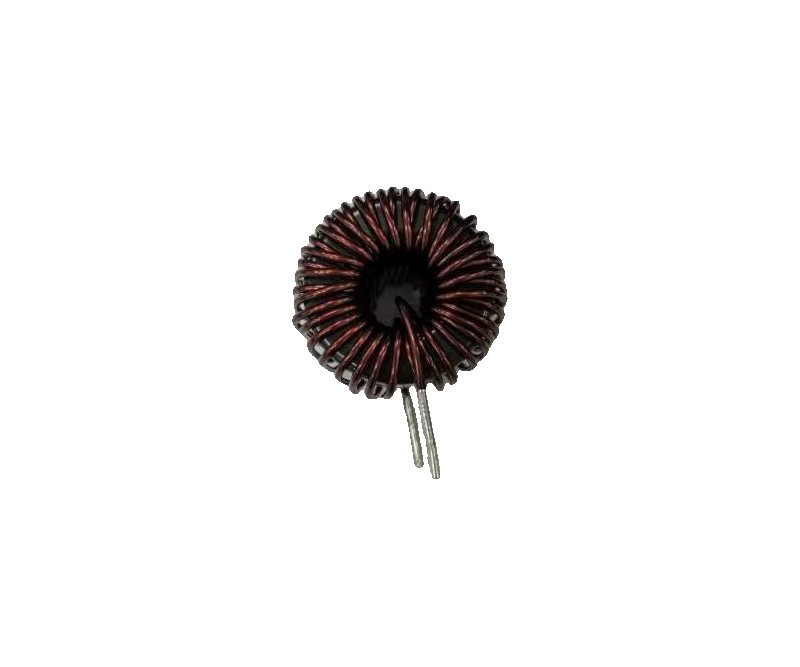
Toroidal Inductor / Differential Mode Inductor (LGH3322-1.3mH)

Toroidal Inductor / Differential Mode Inductor (LGH2711-22uH)
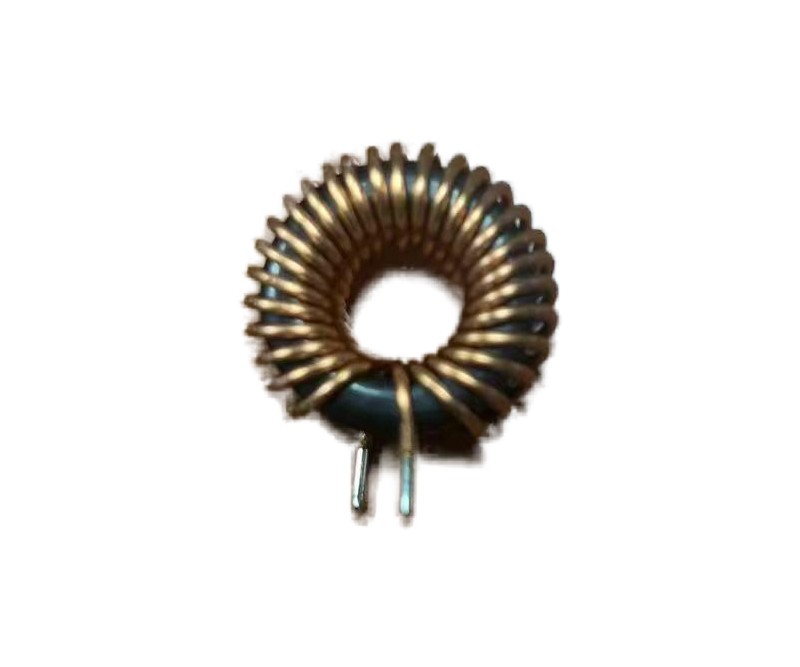
Toroidal Inductor / Differential Mode Inductor (LGH1807-100uH)


