What is a Differential Mode Inductor and How Does It Work in EMI Filtering
 Feb 13, 2026|
 View:1268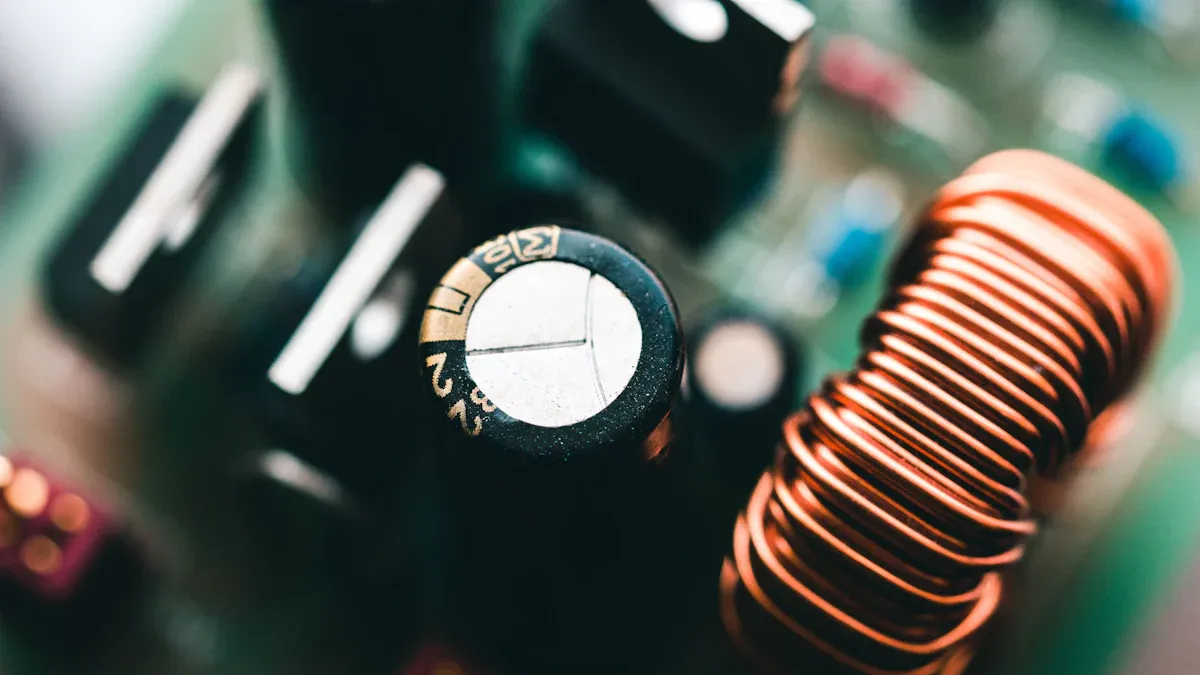
A differential mode inductor stops unwanted electrical noise. This noise moves between two wires in opposite ways. You use it in EMI filtering to keep high-frequency noise away from your circuits. Knowing how a differential mode inductor works helps you control EMI. It also protects sensitive electronic devices.
Key Takeaways
A differential mode inductor stops unwanted electrical noise between two wires. This helps protect sensitive circuits from interference.
Picking the right materials and design for inductors makes them better at blocking high-frequency noise.
Putting differential mode inductors in series with capacitors makes LC filters stronger. These filters help control EMI better.
It is important to put inductors in the right place in EMI filters. Place them close to where the noise starts for the best results.
Differential mode inductors work well in power supplies and audio systems. They make the signal quality much better.
Differential Mode Inductor Basics
What Is a Differential Mode Inductor
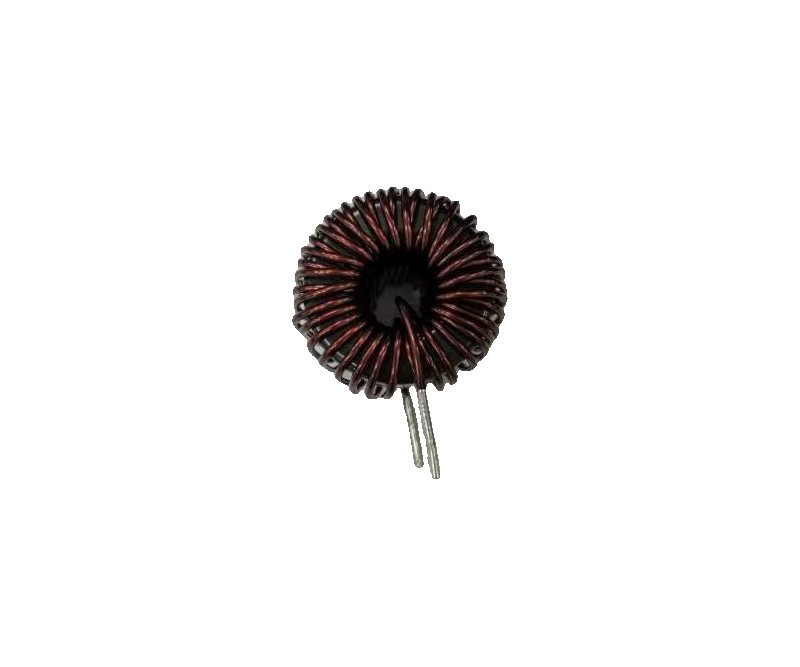
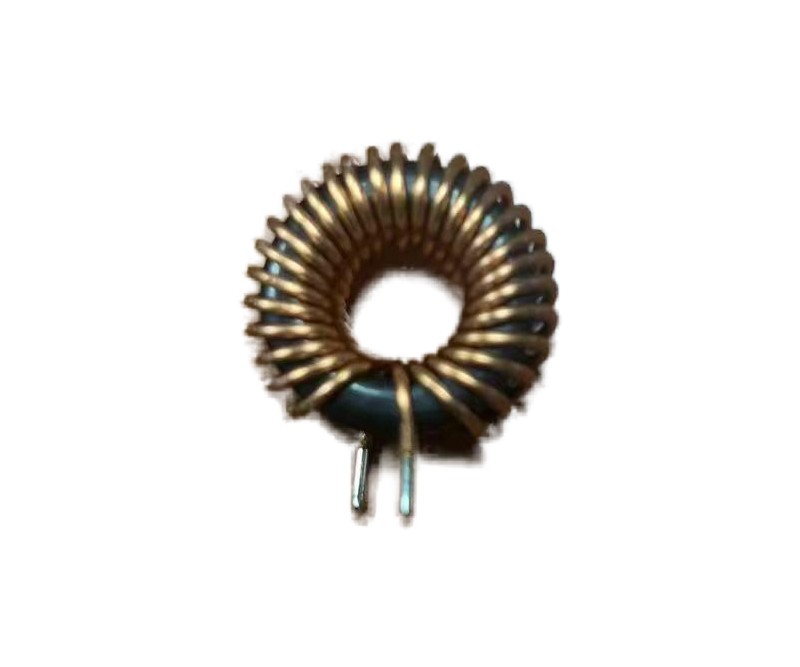
A differential mode inductor helps stop noise. This noise moves in opposite ways on two wires. The inductor sits in line with power or signal wires. It slows down fast changes in current between these wires. When you use a differential mode inductor, you block high-frequency noise. The normal signal can still go through. The main job is to fight changes in differential current. It works best when the current changes quickly, like with electrical noise.
Construction and Key Features
How a differential mode inductor is made affects how well it works. Different materials and shapes are used to build these inductors. Here is a table that shows some common materials and their features:
Material | Description |
|---|---|
Laminated Iron | Stops eddy currents; made of thin steel sheets with insulation. |
Ferrite | Used for higher frequencies; does not conduct electricity to stop eddy currents. |
Powdered Iron | Used for medium frequency devices; held together with a binder. |
Toroidal Cores | Made in a closed loop to cut down on leakage and interference. |
Flat Spiral Coils | Wound on a flat support to lower unwanted capacitance and boost performance. |
The shape and size of a differential mode inductor matter a lot. You should look at the wire size, the core shape, and how the coil is wound. These things change how much noise the inductor can block.
How well your EMI filter works depends on the wire, the core, and the circuit board layout.
High-frequency noise can get through if the inductor has unwanted parts.
You get the best results when you pick the right materials and design.
A differential mode inductor keeps working even when the current is high. This makes it good for protecting your circuits from noise.
How Differential Mode Inductors Work in EMI Filtering
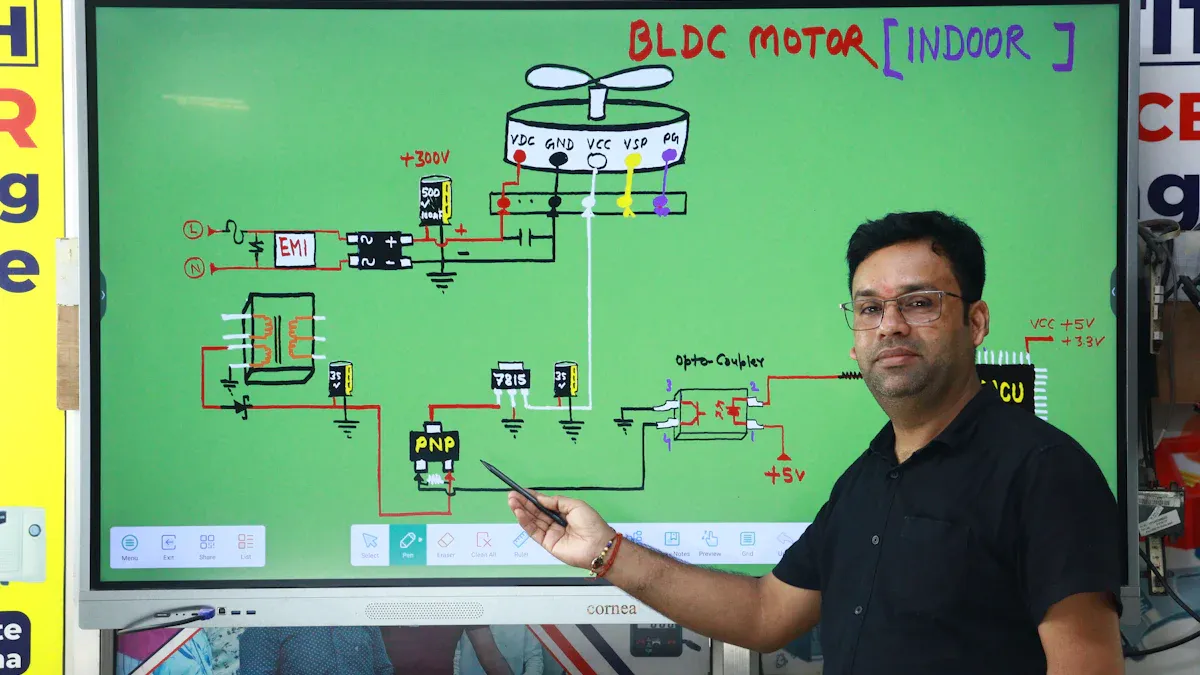
Differential Mode Noise Suppression
It is hard to keep circuits safe from noise. Differential mode inductors help stop noise that moves between two wires in opposite ways. When you put a differential mode inductor in your circuit, it slows down fast changes in differential mode currents. This helps block high-frequency noise but lets low-frequency signals go through.
Differential mode filtering works by making it harder for quick changes to happen. The inductor acts like a wall for noise. Your normal signal can still pass, but the noise has trouble getting through. EMI filtering uses this idea to protect sensitive devices. You get the best results when you block differential mode currents that cause most EMI problems.
Tip: To lower EMI, try to block high-frequency noise. Differential mode inductors make this job easier.
Series Connection and LC Circuits
You often use differential mode inductors in series with power or signal lines. This setup helps you build strong EMI filters. When you add capacitors, you make LC circuits. These circuits are better at blocking noise.
An LC filter uses both an inductor and a capacitor. The inductor slows down fast current changes. The capacitor sends noise away from your main circuit. You can pick different filter types for your needs. Here is a table that shows how each filter type works for EMI filtering:
Filter Type | Order | Frequency Characteristic Slope |
|---|---|---|
Single Capacitor or Inductor | 1st | 20 dB/dec |
L-type Filter (1 Capacitor + 1 Inductor) | 2nd | 40 dB/dec |
π-type or T-type Filter (3 Parts) | 3rd | 60 dB/dec |
You can see that higher-order filters block more noise. The slope gets steeper when you add more parts. This means you get better differential mode filtering and stronger EMI control.
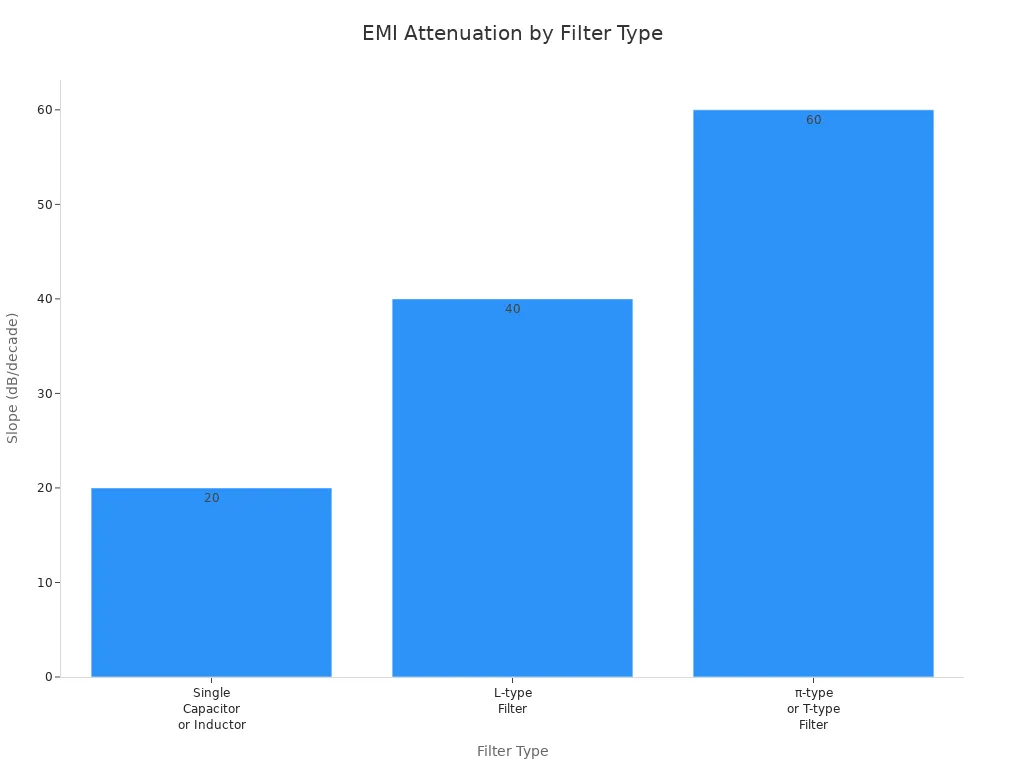
You put differential mode inductors and capacitors close to the input or output of your circuit. This stops noise before it spreads. You use LC circuits to block differential mode currents and keep EMI low. Differential mode filtering works best when you use inductors and capacitors together the right way.
You can make simple filters with one inductor or capacitor. For stronger EMI filtering, you use L-type or π-type filters. These filters block more noise and protect your devices better.
Differential Mode Inductor in EMI Applications
Placement in EMI Filters
You can make emi filtering better by putting a differential mode inductor in the right place. Where you put this inductor changes how well your circuit stops noise. You should use these tips to get the best results:
Put the filter near the circuit that makes noise. This stops interference before it spreads.
Place the filter at the entrance of your equipment. This keeps outside noise from getting to your sensitive circuits.
Make sure noisy circuits cannot go around the filter. This helps you get strong emi reduction.
Where you put a differential mode inductor is very important for good emi reduction in filter circuits. If you place it right, the filter works better by stopping unwanted noise and making sure the filter does its job.
For small circuits, you can use two differential mode inductors to cut down interference at 1.2 MHz. Try putting a small differential mode inductor before a common-mode inductor to make emi performance better. Do not use an inductor that is too big in the front part of a π-type emi filter. Big inductors can cause bad radiation performance.
Common Use Cases
You see differential mode inductors in many emi filter designs. These inductors help block noise in real life. Here are some common examples:
Power supply filters in computers and chargers
Audio line filters in sound systems
Input filters for industrial control equipment
When you use differential mode inductors in these circuits, you can see real improvements. For example, audio line filters can make the signal-to-noise ratio go up by 30%. Inductive filters in systems can lower noise levels by 40%. These results show you can trust differential mode inductors to reduce emi and protect your devices.
You can use differential mode inductors with capacitors to build strong LC filters. These filters help keep emi low and your circuits safe. By picking the right place and size, you make sure your emi filter works well.
Differential Mode vs Common Mode Inductors
Key Differences
It is important to know how these two inductors work in EMI filtering. Each one blocks a different kind of noise. Differential mode inductors stop noise that moves between two wires in opposite ways. Common mode inductors block noise that goes the same way on both wires. You can see the main differences in this table:
Feature | Common Mode Choke (CMC) | Differential Mode Inductor |
|---|---|---|
Primary Function | Suppress common mode noise | Smooth current, filter differential mode noise, energy storage |
Noise Type Targeted | Common mode (in-phase noise) | Differential mode (out-of-phase noise) |
Construction | Two symmetrical windings on one core | Single winding on a core |
Operation Principle | Magnetic fields add for common mode, cancel for differential mode | Opposes change in current (V=Ldi/dt) |
Typical Applications | AC mains filters, data line filters | Switching regulator power stages, LC filters |
A differential mode inductor has just one winding. It makes it hard for differential mode noise to pass. A common mode choke has two windings and blocks common mode noise. Both types are important for EMI filtering.
When to Use Each
You pick the right inductor by the noise you want to block. Differential mode inductors are best for noise between two lines. You use them in power line filters, DC/DC converter outputs, and low-frequency jobs. Common mode inductors are good for noise that affects both wires together. You see them in AC mains filters, data systems, and electronics.
Here is a simple guide to help you choose:
Use differential mode inductors for power electronics, phones, and audio gear. They keep differential mode noise low and protect your signals.
Use common mode inductors for power supplies, twisted cables, and factories. They lower common mode noise and help you meet EMC rules.
Type of Inductor | Application Domains |
|---|---|
Differential Mode | Power electronics, telecommunications, audio equipment |
Common Mode | Power supply designs, data communication, consumer electronics, industrial settings |
Tip: Always check what kind of noise is in your circuit. Pick a differential mode inductor for out-of-phase noise. Choose a common mode choke for in-phase noise.
You get better EMI filtering when you use the right inductor for the noise. This keeps your devices safe and your signals clear.
Benefits and Limitations in EMI Filtering
Main Advantages
When you use a differential mode inductor in your EMI filter, you get many good results. These inductors help you block noise at certain frequencies. This makes your circuit’s power quality better. Engineers like to use them in DC and low-frequency AC systems because they work well there.
Advantages of Differential Mode Filters |
|---|
Blocks noise at certain frequencies |
Helps improve power quality |
Used in DC and low-frequency AC systems |
Your circuits also have better signal quality. Differential mode inductors remove unwanted noise but let useful signals go through almost unchanged. They use their own inductance to slow down changes in current. This keeps your signals strong and clear. The inductor blocks high-frequency noise well because it has high impedance for those signals. Low-frequency signals are safe because the inductor has low impedance for them.
Differential mode inductors block differential mode noise but let useful signals pass with little change.
They use their own inductance to slow down current changes, which keeps signals clear.
Their high impedance at high frequencies blocks noise, while low impedance at low frequencies keeps signals safe.
Note: You can count on differential mode inductors to block noise and protect your circuits from EMI.
Potential Drawbacks
There are some things you should know before picking a differential mode inductor for your filter. These inductors might not work well at very high frequencies. Sometimes, unwanted parts like stray capacitance or core losses can make them less effective. If you pick the wrong size or type, your circuit may not block enough noise.
High-frequency EMI can get through if the inductor is not designed right.
Big inductors can cause extra losses and may not fit in small spaces.
Some filters need more than just a differential mode inductor to meet strict EMI rules.
You should check your circuit and choose the right inductor for the best results. Always test your filter to make sure it blocks the noise you want.
You have learned that a differential mode inductor blocks noise between two wires. This part helps keep your circuits safe from EMI. These inductors protect signals and make devices work better. If you want to know more about EMI control or inductor design, you can read these books and guides:
Harris, V. G. (2022). Modern Ferrites, Volume 2: Emerging Technologies and Applications.
Kaiser, K. L. (2005). Electromagnetic Compatibility Handbook.
Paul, D. C. (2006). Introduction to Electromagnetic Compatibility, Second Edition.
Snoek, D. J. (1947). New Developments In Ferromagnetic Materials.
Brander, T.; Gerfer, A.; Rall, B.; Zenkner, H. (2010). Trilogy of Magnetics.
Burket, C. (2010). All Ferrite Beads Are Not Created Equal – Understanding the Importance of Ferrite Bead Material Behavior.
Parker, C. U. (2011). Using Ferrites to Suppress EMI.
FAQ
What is the main job of a differential mode inductor in emi filtering?
A differential mode inductor helps block emi between two wires. This filter keeps unwanted signals away from sensitive circuits. It lowers conducted emissions and helps protect your devices from radiated emissions.
How does a filter configuration affect emi reduction?
You pick a filter setup based on your emi needs. Good filters use both inductors and capacitors to block noise. You should put the filter close to where the noise starts. This helps lower both conducted and radiated emissions.
Can a differential mode inductor stop all radiated emissions?
A differential mode inductor cannot stop every radiated emission by itself. You need other parts in your emi filter to help. Using shielding and changing the layout also helps reduce emissions. You get better emi control when you use these methods together.
Where should you place a differential mode inductor for best emi results?
Put the inductor near where your circuit starts. This stops emissions before they move through your device. Keep the filter close to noisy parts to lower radiated emissions. This helps keep emi under control.
Why do you need to test emi filters after building them?
You test emi filters to see if they block emissions well. Testing shows if conducted and radiated emissions are low enough. If emi is too high, you can change your filter design. This keeps your devices safe.