


What is a SMD transformer?
 Apr 16, 2025|
 View:2710
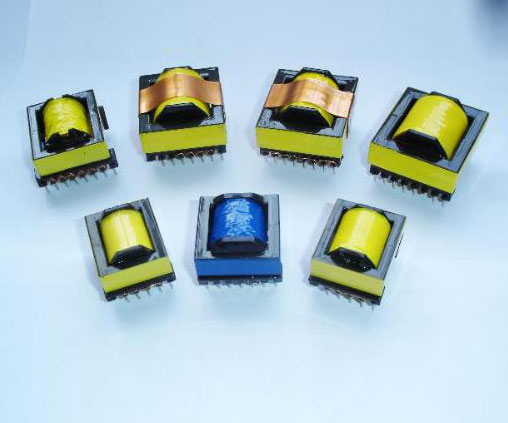
An SMD transformer is a type of transformer that is specifically designed for surface mount applications. Unlike traditional transformers that require through-hole mounting, SMD transformers are mounted directly onto the surface of a printed circuit board (PCB). This design allows for a more compact layout, reduced assembly time, and improved performance in densely packed electronic devices.
Key Characteristics of SMD Transformers
Compact Size: SMD transformers are generally smaller than their traditional counterparts. This compactness is essential for modern electronics, which often require miniaturization without sacrificing performance.
Lightweight: Due to their small size and the materials used, SMD transformers tend to be lighter. This characteristic is particularly beneficial in portable devices where weight is a concern.
High Efficiency: SMD transformers are designed to operate efficiently, minimizing energy losses. This efficiency is crucial in battery-powered devices to prolong battery life.
Low Profile: The low-profile design of SMD transformers allows them to fit into tight spaces, making them ideal for applications where height restrictions exist.
Versatile Applications: These transformers can be used in a variety of applications, including power supplies, signal isolation, and impedance matching.
Types of SMD Transformers
SMD transformers can be classified into several types based on their design and function:
1. Isolation Transformers
Isolation transformers are designed to separate different sections of a circuit. They provide electrical isolation between the input and output, which is crucial for safety in various applications. These transformers help protect sensitive components from voltage spikes and noise.
2. Step-Up and Step-Down Transformers
Step-up transformers increase voltage from the primary to the secondary winding, while step-down transformers decrease voltage. SMD versions of these transformers are used in power supply circuits where voltage conversion is necessary.
3. Multi-winding Transformers
These transformers have multiple windings and can provide multiple output voltages from a single input. They are often used in power supply applications where different voltage levels are required.
4. Signal Transformers
Signal transformers are designed to transfer signals between circuits while isolating them from one another. They are commonly used in communication devices and audio applications.
5. Choke Transformers
Choke transformers are used to filter out unwanted frequencies in power supplies and signal circuits. They help in noise reduction and improve the overall performance of the circuit.
Applications of SMD Transformers
SMD transformers find applications in a wide range of industries and devices:
1. Consumer Electronics
In consumer electronics, SMD transformers are used in devices such as smartphones, tablets, and laptops. They play a vital role in power management, signal processing, and noise reduction.
2. Telecommunications
SMD transformers are essential in telecommunications equipment, including routers, switches, and modems. They help in signal isolation and impedance matching, ensuring reliable communication.
3. Medical Devices
In medical devices, reliability and safety are paramount. SMD transformers are used in various equipment, including diagnostic machines and patient monitoring systems, providing isolation and electrical protection.
4. Industrial Equipment
SMD transformers are also used in industrial applications, such as automation systems and control panels. They help in power distribution and signal processing, contributing to the efficient operation of machinery.
5. Automotive Applications
In modern vehicles, SMD transformers are used in various electronic control units (ECUs), infotainment systems, and sensor technologies. They enhance the performance and reliability of automotive electronics.
Benefits of SMD Transformers
SMD transformers offer several advantages over traditional transformers, making them a preferred choice in many applications:
1. Space Efficiency
The compact design of SMD transformers allows for more efficient use of PCB space. This is particularly important in modern electronics, where minimizing size is often a critical requirement.
2. Improved Performance
SMD transformers are designed for high efficiency and low losses. Their construction minimizes parasitic effects, leading to better performance in terms of signal integrity and power efficiency.
3. Simplified Manufacturing Process
SMD transformers can be easily integrated into automated assembly processes, reducing labor costs and assembly time. This efficiency makes them suitable for high-volume production.
4. Enhanced Reliability
The solid construction and encapsulation of SMD transformers provide better resistance to environmental factors such as moisture and temperature fluctuations, enhancing their overall reliability.
5. Cost-Effectiveness
While SMD transformers may have a higher initial cost compared to traditional transformers, their benefits in terms of space savings, performance, and manufacturing efficiency can lead to lower overall costs in production.
Challenges and Considerations
Despite their numerous advantages, SMD transformers also present some challenges:
Thermal Management: Due to their compact size, managing heat dissipation can be a challenge. Proper thermal management techniques must be employed to ensure reliable operation.
Design Complexity: Integrating SMD transformers into circuit designs may require more careful planning and consideration of PCB layout to optimize performance.
Limited Power Ratings: SMD transformers typically have lower power ratings compared to traditional transformers, which may limit their applications in high-power scenarios.
The Best SMD Transformer Manufacturer In China
In the competitive landscape of electronic component manufacturing, Southern Electronic has established itself as a leading force in SMD transformer production. With over a decade of industry expertise, the company combines technological innovation with stringent quality control to deliver components that power modern electronics across multiple sectors.
Core Strengths
Advanced Manufacturing Capabilities: State-of-the-art production facilities equipped with automated SMT lines and precision winding machines
R&D Excellence: Dedicated engineering team focused on developing high-efficiency, miniaturized transformers for next-generation applications
Quality Assurance: Comprehensive testing protocols including AEC-Q200 for automotive applications, UL, CE, and RoHS compliance
Global Supply Chain: Multiple production bases in China ensuring stable supply and competitive lead times
Market Position
Southern Electronic's commitment to customer-centric solutions and continuous improvement has earned partnerships with international brands in consumer electronics, automotive, telecommunications, and industrial automation sectors.
SMD transformers are essential components in modern electronics, offering compact size, high efficiency, and versatility. Their ability to integrate seamlessly into a wide range of applications makes them invaluable in consumer electronics, telecommunications, medical devices, industrial equipment, and automotive technology.
As technology continues to evolve, the demand for smaller, more efficient components will only increase, further solidifying the role of SMD transformers in the future of electronics. Understanding their characteristics, applications, and benefits is crucial for engineers and designers working in this dynamic field.


