


What is an SMD Resistor?
 Feb 17, 2025|
 View:3206
Surface Mount Device (SMD) resistors have become a staple in modern electronic design and manufacturing. Unlike traditional through-hole resistors, SMD resistors are designed to be mounted directly onto the surface of printed circuit boards (PCBs). This innovation has not only streamlined the manufacturing process but has also contributed to the miniaturization of electronic devices. This article will explore what SMD resistors are, their types, advantages, applications, and how they differ from traditional resistors.
What is a Resistor?
Before delving into SMD resistors, it's essential to understand what a resistor is. A resistor is a passive electrical component that limits or regulates the flow of electrical current in a circuit. It provides a specific resistance, measured in ohms (Ω), and is used in various applications, including voltage division, current limiting, and signal conditioning.
What is an SMD Resistor?
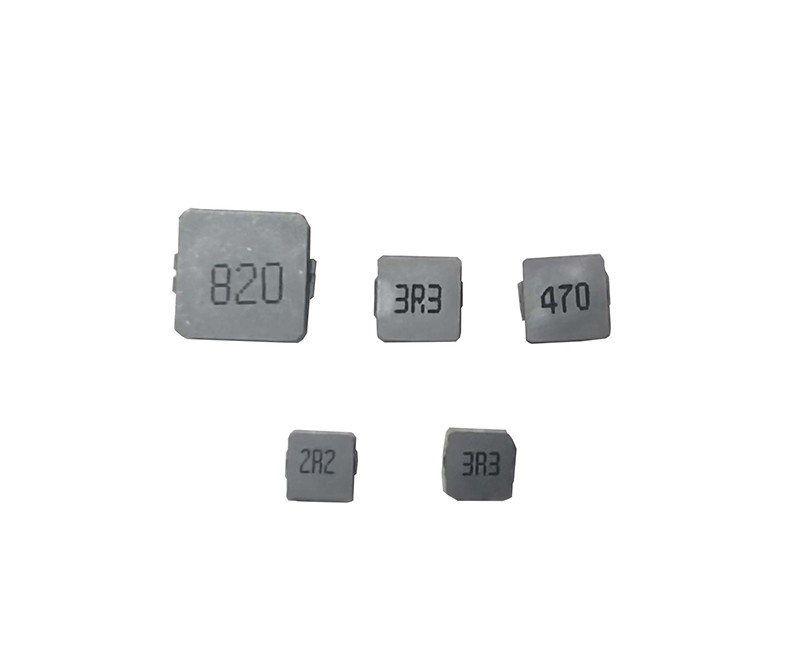
SMD resistors are a type of resistor specifically designed for surface mounting on PCBs. Unlike traditional resistors that have leads extending from both ends for insertion into pre-drilled holes, SMD resistors have flat, rectangular bodies with metal pads on the bottom. These pads allow for soldering directly to the PCB surface, which simplifies the assembly process and reduces the overall size of electronic devices.
Key Features of SMD Resistors
Compact Size: SMD resistors are significantly smaller than their through-hole counterparts, allowing for more efficient use of space on PCBs.
Automated Assembly: The flat design makes it possible to use automated pick-and-place machines for assembly, increasing production efficiency and reducing labor costs.
Thermal Performance: SMD resistors tend to have better thermal performance due to their smaller size and lower thermal mass.
Variety of Values: SMD resistors come in a wide range of resistance values, power ratings, and tolerances, making them versatile for various applications.
Types of SMD Resistors
SMD resistors can be categorized based on their construction and characteristics:
1. Thin Film Resistors
These resistors are made by depositing a thin layer of resistive material onto a substrate. They offer high precision, low noise, and excellent stability over time. Thin film resistors are commonly used in applications that require high accuracy and reliability, such as in medical devices and instrumentation.
2. Thick Film Resistors
Constructed with a thicker layer of resistive material, these resistors are more common in consumer electronics. They are generally less expensive than thin film resistors but may have lower precision and stability. Thick film resistors are suitable for general-purpose applications.
3. Wirewound Resistors
Though less common in SMD applications, wirewound resistors can also be found in surface mount configurations. They are made by winding a wire around a core and are known for their high power ratings and precision. Wirewound SMD resistors are typically used in high-power applications.
4. Current Sense Resistors
These specialized resistors are designed to measure current flow in a circuit. They are typically low-value resistors used in power management applications to monitor current levels and protect against overloads.
5. Variable Resistors (Potentiometers)
While not as common, variable SMD resistors allow for adjustable resistance. They are used in applications where tuning or calibration is necessary.
Advantages of SMD Resistors
SMD resistors offer several advantages over traditional through-hole resistors:
1. Space Efficiency
The compact design of SMD resistors allows for a higher density of components on a PCB, which is crucial for modern electronic devices that require miniaturization.
2. Improved Performance
SMD resistors generally provide better performance in terms of thermal management and electrical characteristics. Their smaller size helps dissipate heat more efficiently.
3. Automated Manufacturing
The ability to use automated assembly techniques significantly reduces production costs and time. This efficiency is particularly beneficial for high-volume production.
4. Reduced Parasitic Effects
SMD resistors have shorter lead lengths, which reduces parasitic inductance and capacitance, leading to improved signal integrity, especially in high-frequency applications.
5. Flexibility in Design
SMD resistors are available in various values and tolerances, providing designers with flexibility in circuit design. This adaptability is essential in the rapidly evolving electronics market.
Applications of SMD Resistors
SMD resistors find applications across various industries due to their versatility:
1. Consumer Electronics
SMD resistors are widely used in smartphones, tablets, laptops, and other consumer electronics, where space and efficiency are paramount.
2. Automotive Industry
With the rise of electronic control systems in vehicles, SMD resistors are increasingly used in automotive applications for sensor interfacing, signal conditioning, and power management.
3. Telecommunications
In telecommunications equipment, SMD resistors provide the necessary precision for signal processing and data transmission.
4. Medical Devices
SMD resistors are essential in medical devices where accuracy and reliability are critical, such as in diagnostic equipment and monitoring systems.
5. Industrial Automation
In industrial applications, SMD resistors are used in control systems, robotic systems, and machinery, contributing to improved performance and safety.
SMD Resistor vs. Through-Hole Resistor
While both SMD and through-hole resistors serve the same fundamental purpose, they have distinct differences:
1. Size and Design
SMD resistors are smaller and designed for surface mounting, while through-hole resistors have leads that require insertion into PCB holes.
2. Assembly Process
SMD resistors are compatible with automated assembly processes, whereas through-hole resistors typically require manual soldering or insertion.
3. Performance Characteristics
SMD resistors often exhibit better thermal performance and lower parasitic effects compared to through-hole resistors.
4. Cost Considerations
While SMD resistors can be more expensive than through-hole variants in low quantities, their cost-effectiveness increases significantly in high-volume production.
Selecting SMD Resistors
When selecting SMD resistors for a specific application, consider the following factors:
1. Resistance Value
Choose the appropriate resistance value based on the circuit requirements.
2. Power Rating
Ensure that the power rating of the resistor matches the expected power dissipation in the application.
3. Tolerance
Select the required tolerance level for precision applications. Lower tolerance values indicate higher accuracy.
4. Temperature Coefficient
Consider the temperature coefficient, which affects how resistance changes with temperature variations.
5. Package Size
Choose the correct package size to fit the design and assembly process. Common SMD resistor sizes include 0201, 0402, 0603, 0805, and 1206.
SMD resistors play a vital role in modern electronics, facilitating the design of compact, efficient, and high-performance devices. Their unique characteristics, such as space efficiency, compatibility with automated assembly, and superior thermal management, make them a preferred choice for a wide range of applications. As technology continues to evolve, SMD resistors will undoubtedly remain at the forefront of electronic component design, driving innovation and enabling the development of smaller, more powerful electronic devices. Understanding the features, advantages, and applications of SMD resistors is essential for engineers and designers as they navigate the complexities of modern electronic design.
As a leading one-stop electronic components solution provider, Established in 1989, presently Changzhou Southern Electronic Elements Factory Co.,Ltd has more than three hundred of staff and workers including more than sixty technicians who are engaged in various specialities. It covers an area about 13000 square meters with more than 8000 square meters of constr-uction area.
Our main products are: wirewound resistor, fusible wirewound resistor, membrane type fusible resistor, fixed inductor, filter, ferrite transformer, ring coil, special fuse for energy saving lamp and fuse with UL certificate, etc. Our annual production is now reaching: two hundred million pieces of resistors, two hundred million pieces of inductors, one hundred million pieces of transformers and coils and two hundred million pieces of fuses. These products are mainly used in household electric appliances, communication appliances, energy saving lamps, automatic control devices (e.g. transducers) electric power equipm-ents.and LED drive rower.Our products are exported to dozens of countries in Europe, America and Southeast Asia and used in many worldwide famous companies, such as GE, OSRAM, PHILIPS, etc.


Recommended Products

SMD Power Inductor NR Series

SMD Fusible Wire Wound Resistor

SMD Power Inductors-CDRH 2b09/2b11/2b18(LD)/ 2b18(HP) Series CDRH 3b12/3b16/3b16(B)/3b28 Series CDRH 4b18/4b28/5b18/5b28 Series

SMD Power Inductors-CDRH103/104/105 Series

SMD Power Inductors-BF6028/7025/7045/1045 Series

SMD Power Inductors-CDRH83/84/85/86 Series


