


Wirewound Resistor Pulse Capability for Automotive BMS Circuits
 Nov 04, 2026|
 View:1
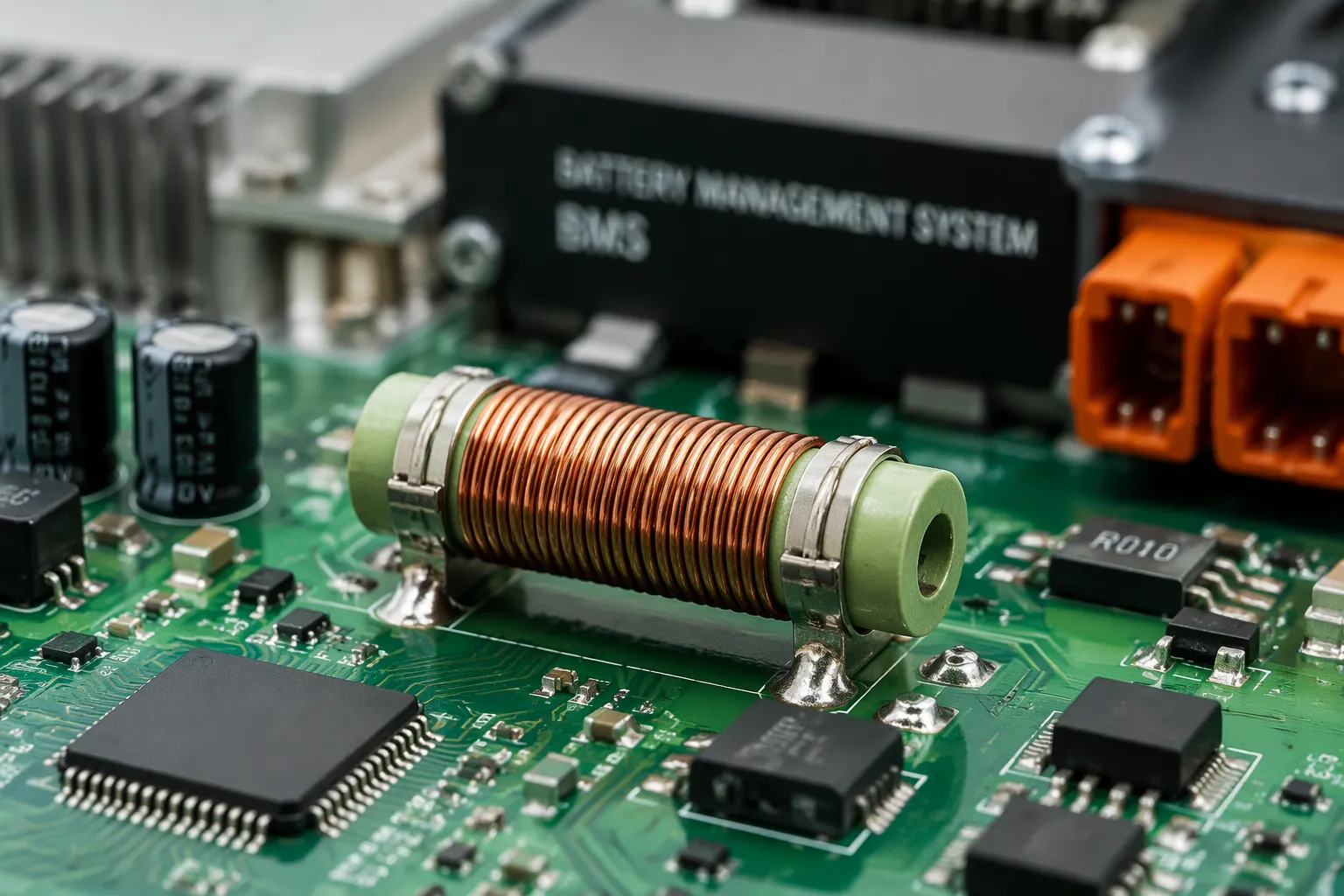
Yes, wirewound resistors work well for pulse capability in automotive battery management circuits. Their wire-and-core construction gives useful active thermal mass and high energy handling. Designers must still think about specific thermal and derating considerations.
Three pulse events matter most in these designs. A precharge resistor limits current into dc-link capacitors when the contactor closes. Inrush current appears when capacitive loads energize. Fault-current discharge follows an isolation fault or emergency shutdown. Each event has its own waveform, energy level, and repetition rate.
Wirewound resistor pulse capability depends on matching the part to that profile. Thick film, thin film, and metal oxide options each fit different roles in automotive electronics. Selection also involves AEC-Q200 compliance and cost. Precharge resistors deserve careful evaluation against real pulse data.
Key Takeaways
Wirewound resistors handle short bursts of power well because their wire and core hold onto heat.
Choose the right resistor type for the pulse waveform, energy, and repetition rate to get the best results.
Lower the resistor's power rating for hot automotive enclosures to prevent overheating and early failure.
Make sure the exact part number meets AEC-Q200 rules, not just the general type of technology.
Test the precharge resistors under the harshest automotive conditions before you finalize the design.
Wirewound Resistor Pulse Capability Basics
Pulse Power and Energy Handling
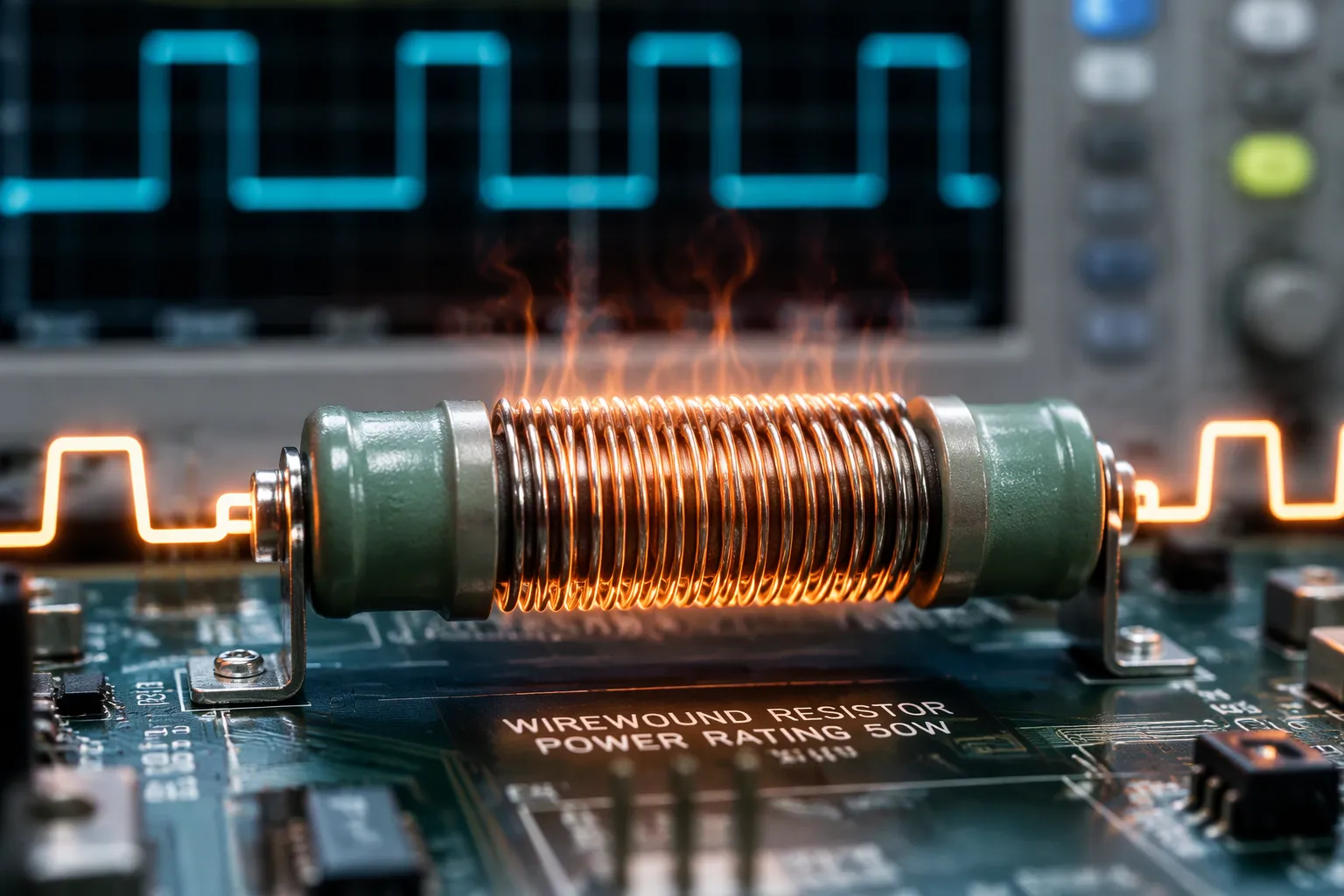
A pulse sends a burst of energy in a short time. The resistor has to take in that energy without getting the wire element too hot. Three things set the job: peak power, total pulse energy, and pulse duration. Makers list these as separate ratings, and a part that passes one limit may fail another.
Wirewound resistors are the most common pick for short-term protection in power circuits. The resistance wire itself soaks up the energy. Passive Components Europe says the wire gives a lot of active-element mass, which helps it handle big surges in capacitor discharge, pre-charge, and braking jobs. This build is the base of wirewound resistor pulse capability in tough loads.
Pulse capability depends a lot on resistance. Wire diameter and length set both the resistance value and the mass that can absorb energy, according to Passive Components Europe. So a low-resistance part uses a thicker, heavier wire with more thermal mass. Designers should check pulse load capability curves for the exact resistance value, not a family headline number.
Pulse duration rating matters as much as energy. A short pulse packs heat into a small wire volume. A longer pulse spreads heat into the core and the structure around it. The same part can show very different pulse energy limits in these two cases.
One warning applies to fast waveforms. Wirewound resistors, even non-inductive wound types, have parasitic inductance that twists fast pulse edges. Passive Components Europe advises against wirewound parts where the voltage front must stay true, such as Baker test simulations.
Wirewound resistors—even non-inductive wound types—have parasitic inductance that twists fast pulse waveforms. For jobs that need a true voltage front (such as Baker test simulations), wirewound resistors are not suitable.
Thermal Mass and Heat Dissipation
Thermal mass is how well the resistor body can store heat during a pulse. A bigger mass gives a smaller temperature rise for the same pulse energy. This trait sets wirewound parts apart from film types in high surge and pulse tolerance jobs.
Heat leaves the part by three paths, as PEC Components describes:
Heat moves from the resistive wire into the ceramic core, then goes to the air around it through convection.
At higher temperatures, radiation becomes a big heat loss path.
Metal-surface mounting, heat sinks, and open airflow make thermal performance better.
These paths let wire wound resistors handle continuous power from 5 watts up to 500 watts, and more in chassis-mounted designs with good cooling, per PEC Components. High-temperature alloys keep the element reliable above 300 degrees Celsius. Vitreous enamel or ceramic coatings stand up to 350 to 400 degrees Celsius and improve radiation.
Derating follows the real ambient. PEC Components reports that derating above 70 degrees Celsius ambient is common, often 30 to 50 percent. Nearby magnetics and semiconductors can push the local temperature well above the system nominal value. A pulse-rated wirewound part picked for great power handling at nominal ambient may still need a bigger case size in a hot enclosure.
Comparing Technologies for Automotive Electronics
Pulse Performance and Application Fit
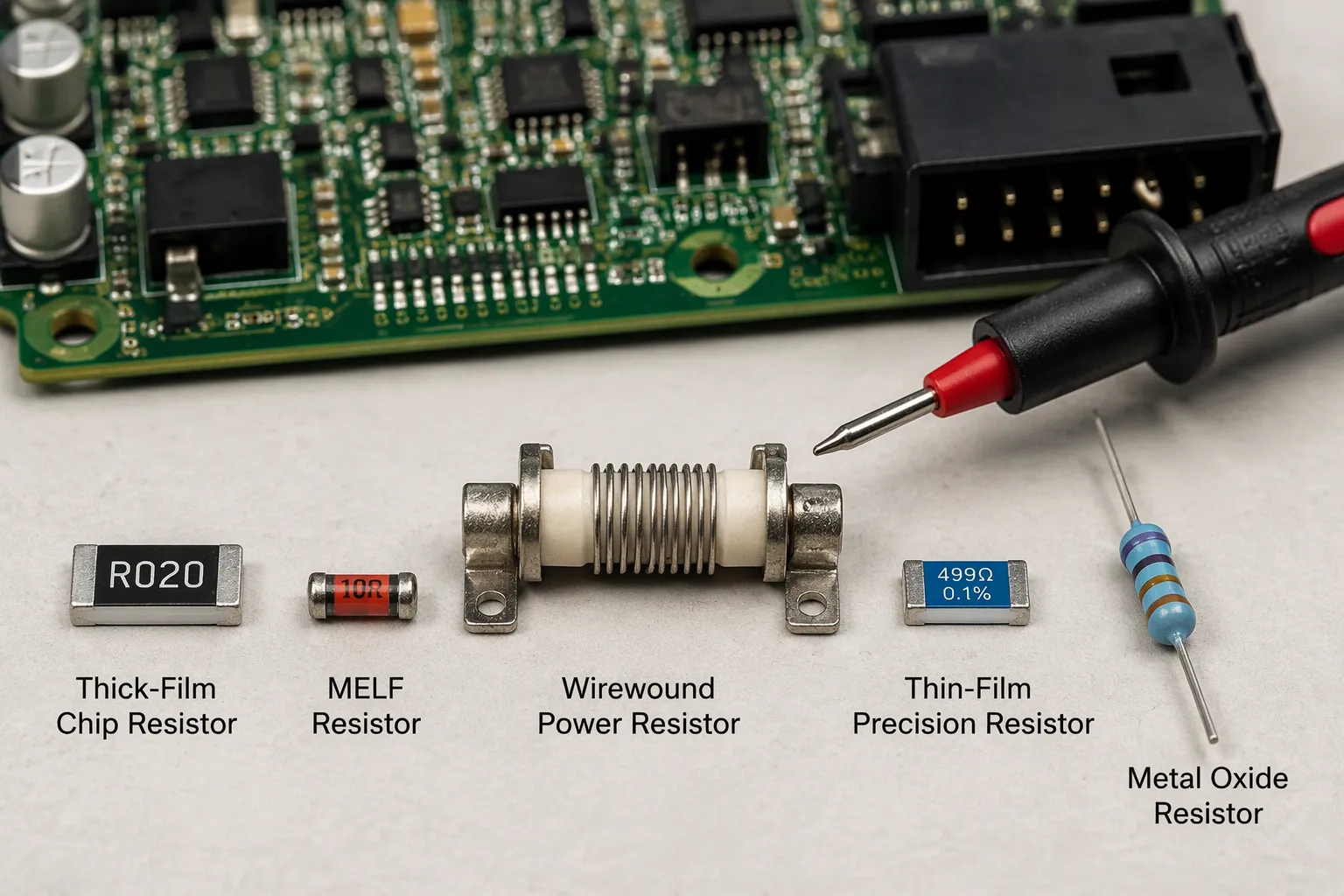
Each resistor type handles a different part of the pulse workload. Passive Components Europe explains the fits clearly. Wirewound power resistors work well for lower-frequency jobs where inductance is okay, like high-power shunts and current measurement. They also work in high-voltage dividers that need lower values and better surge tolerance. When pulse energy is high and there is space or heatsinking, wirewound parts are a natural pick. Chassis-mount versions handle very high power.
Thick film covers a wide range. AEC-Q200-qualified thick-film chips handle general biasing and digital functions. Surge-rated thick-film or MELF parts work in pulse positions. Metal oxide and thick-film surge resistors sit at stress points like load dump and relay transients. Passive Components Europe notes that thick film and metal glaze types resist moisture well. Thin film serves precision analog roles, and designers should avoid thin-film parts that are not specifically pulse-rated.
Technology | Pulse Performance | Application Fit | AEC-Q200 Status (Stackpole Europe) | Cost Position |
|---|---|---|---|---|
Wirewound | High pulse energy, active wire mass | Shunts, dividers, surge and pulse, chassis-mount power | Fusing and power leaded series listed as N/A | Relatively low cost for high energy |
Thick film | Moderate, surge-rated versions available | Biasing, pull-ups, load dump, relay transients | Multiple series qualified or compliant | Cost-effective in volume |
Thin film | Limited unless pulse-rated | Precision analog | Anti-surge, anti-sulfur, moisture-resistant series compliant | Higher for precision grades |
Metal oxide | Good surge tolerance | Load dump, relay drive, high-voltage chains | Flameproof series listed as N/A | Moderate |
The table shows a real trade-off. Wirewound parts mix pulse power and pulse energy handling at fairly low cost. That mix favors circuits without high switching speeds, where parasitic inductance does not distort the waveform. Metal strip current-sense resistors are still the top choice for accurate low-ohmic sensing in battery management systems, per Passive Components Europe. Thick-film shunts fit lower accuracy or lower power roles.
AEC-Q200 Compliance and Cost
Compliance status changes by family, not by technology alone. Stackpole Europe lists thick-film and thin-film series as qualified or compliant, while its wirewound fusing and power leaded series and metal oxide flameproof series show N/A. Buyers should check the exact part number against AEC-Q200, not assume a category passes. Many high-quality, automotive-grade resistors carry qualification at the series level.
Cost follows construction and volume. Thick-film chips win on cost in high-volume signal roles. Wirewound parts cost more per piece than chip resistors but deliver far more pulse energy per dollar in surge positions. Thin film carries a premium for precision. Metal oxide sits between the extremes.
Portfolio context matters here. Changzhou Southern Electronic Element Factory Co., Ltd. offers wirewound and thick film resistors backed by IATF16949, CE, UL, and RoHS certifications. That range lets a BMS design source both the precharge resistor and the surrounding signal resistors from one supplier.
Selecting Precharge Resistors for BMS Designs
Matching Resistor Type to Pulse Events
Start with the pulse waveform, energy, and repetition rate of the precharge circuit. A one-time event is not the same as repeated inrush events. Prohelion documents a worked case: a 470 ohm, 50W RH series wirewound aluminum resistor precharges 800uF to 450V in 1.5 seconds. The resistor must handle 430W for 1.5 seconds from the maximum ambient. The 81 Joules stored in the dc-link capacitors dissipates in the resistor, giving a 4.5°C rise; a fault case at 430W gives 48°C. That margin shows why a pulse-rated precharge resistor needs its overload rating checked against the datasheet, not the nominal power. Size the precharge resistor for the inrush current profile, too.
PEC Components lists the selection criteria: power rating for the peak energy spike, a precisely calculated resistance value, pulse handling for repeated high-energy pulses, temperature stability, voltage rating with insulation and clearance, reliability, and secure mounting. Match each criterion to the event and the total dc-link capacitance. A pulse-rated wirewound resistor suits high pulse energy. A pulse-rated wirewound part also fits braking and motor drive circuits in automotive systems. For battery voltage sensing and overcurrent protection paths, film types may fit better. Precharge resistors in automotive battery packs face wide temperature cycling and vibration.
Derating, Layout, and Validation
Derate for heat in the battery management enclosure. Bettlink notes most manufacturers publish derating curves above a threshold near 70°C, and Raraohm states industry convention derates to 50% of rated power for continuous operation. A wirewound resistor in that environment needs the margin. Check temperature rise under real conditions; a hot part ages faster. Confirm the precharge requirement against the worst-case automotive ambient, not the nominal one.
Provide heat sinking and check thermal resistance to the mounting surface, per Bettlink. Confirm the voltage rating covers system voltage with margin. Program the BMS timeout to the expected precharge time; Prohelion warns a wrong timeout can overload the external resistor. Disable loads that draw current during precharge. Qualify the part to AEC-Q200 for automotive electronics duty. Precharge resistors in automotive designs also need overcurrent ride-through checks.
Wirewound resistors handle BMS short power spikes well. Their wire-and-core build gives them active thermal mass and high energy handling. Engineers must still manage heat, apply derating, and check each part against real waveforms.
The comparison favors wirewound parts for high-energy events. Thick film, thin film, and metal oxide each serve different roles. These range from signal biasing to load dump protection.
Wirewound resistor pulse capability suits precharge resistor duty in automotive battery packs. Match the technology to your waveform profile and compliance needs. Confirm AEC-Q200 status for the exact part number. Then test the precharge resistors under worst-case automotive conditions before release.
FAQ
Are wirewound resistors suitable for precharge circuits in battery packs?
Yes. The resistance wire has active thermal mass, which soaks up the energy of a capacitor charge event. A precharge resistor built this way handles high energy in a small package. Designers should still check the overload rating against the real waveform and the worst-case ambient.
How does wirewound construction compare with film types for surge events?
Wirewound parts store more pulse energy per unit cost. Thick film and metal oxide parts fit load dump and relay transient roles. Thin film serves precision analog paths. Each technology has a place, and the choice follows the waveform, the repetition rate, and the accuracy the circuit needs.
What derating applies in hot automotive enclosures?
Most manufacturers publish derating curves that begin near 70 degrees Celsius ambient. Nearby magnetics and power semiconductors raise the local temperature above the system nominal value. Apply the derating curve to that local figure, not the cabin or pack rating, and check temperature rise under real conditions.
Can wirewound parts handle very fast pulse edges?
Parasitic inductance distorts fast voltage fronts, even in non-inductive wound types. Circuits that need a true edge, such as Baker test simulations, call for a different technology. For slower high-energy events, wirewound parts remain a strong fit in automotive systems.
How should buyers verify AEC-Q200 status?
Check the exact part number against the qualification list, not the technology category. Compliance varies by series within the same manufacturer. Ask for the qualification report for the specific series used in the automotive design, and confirm the test limits match the pulse profile of the application.
Recommended Products

RXF Fusible Wire Wound Resistor

SMD Fusible Wire Wound Resistor

RAB1 Surface Mount Wire Wound Resistor

Wire Wound Resistor Used For Defrosting Of Water Heater

Middle Frequency Electric Stove Used Wire Wound Resistor

Stainless Steel Shell Wire Wound Resistor

200W Vertical Square Aluminum Case Wire Wound Resistor

RX19 Aluminum Shell Resistor Wire Wound Resistor

LKZ Aluminum Shell Wire Wound Resistor (Side Slot)

RX18 Aluminum Shell Wire Wound Resistor


