


 Oct 13, 2025
 View:862
You want your circuits to be safe and work well. A fusible resistor helps by controlling current and stopping it if there is too much. It is different from regular resistors or fuses because it does two jobs in one part. It slows down extra current, keeps things from getting too hot, and lowers the chance of electrical fires. This smart part keeps your devices safe and makes your projects better and safer.
Key Takeaways
Fusible resistors do two jobs. They work as resistors when things are normal. They break the circuit like fuses if the current gets too high.
Using fusible resistors helps save space. It also saves money. You do not need separate resistors and fuses in your circuits.
Fusible resistors keep important parts safe from harm. They control inrush current. They help stop electrical fires.
These resistors are strong and safe. They have a ceramic core that does not get damaged by heat. They follow safety rules for the industry.
When you pick fusible resistors, make sure they fit your circuit. They must match the current and voltage needs. This helps stop damage.
Fusible resistor benefits
Dual function
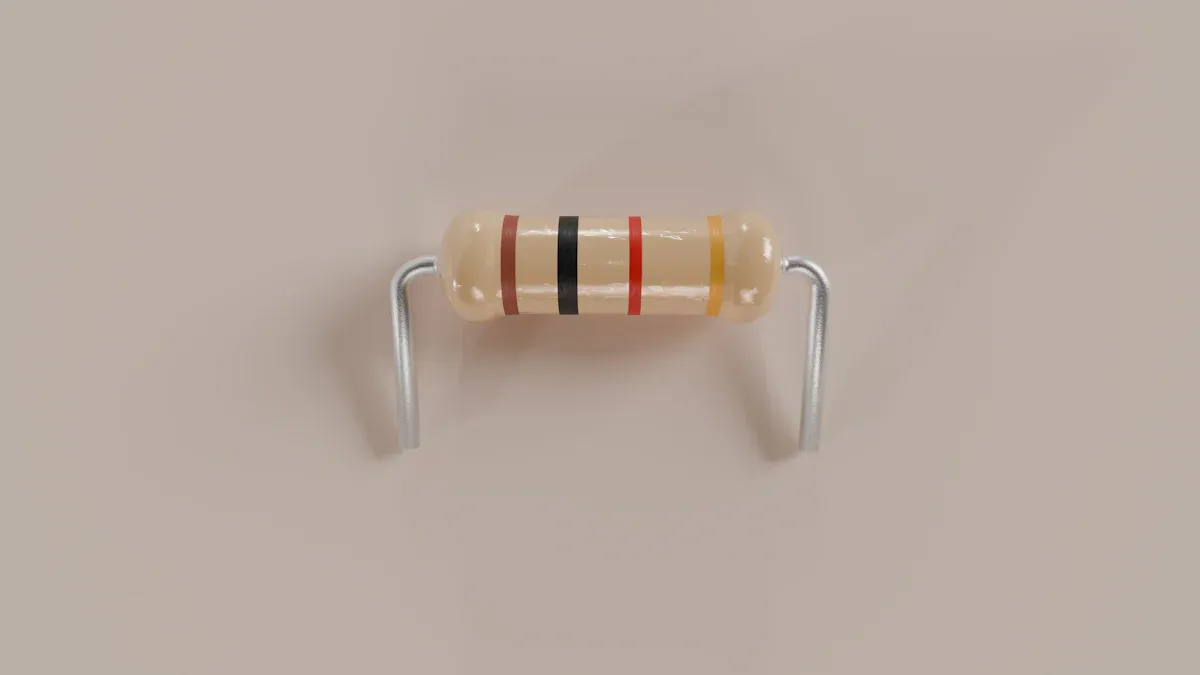
Fusible resistors give you two features in one part. They work like regular resistors when things are normal. They let electricity move and help control how much flows. If the current gets too high, they break the circuit like a fuse. This means you get resistance and protection together.
Tip: Fusible resistors usually have low resistance values. These values are often less than 1 ohm. They also have low power ratings. Their special design helps them handle overloads. They protect your devices from harm.
Fusible resistors act as resistors when things are normal.
They stop the circuit if the current gets too high.
This action keeps your sensitive parts safe from harm.
Circuit protection
Fusible resistors help keep circuits safe. They limit the sudden rush of electricity when you turn on a device. By controlling this surge, they stop damage to important parts. If the current goes too high, they cut off the flow and prevent harm.
Fusible resistors control the first surge of electricity.
They stop too much inrush current from hurting parts.
You find them in power supplies, battery chargers, and adapters.
This makes fusible resistors a trusted part in many circuits. They protect against too much current and help stop electrical fires.
Space and cost savings
Fusible resistors help you save space and money. You do not need both a resistor and a fuse. You only need one part. This makes your circuit smaller and easier to build. You also buy and install fewer parts.
Here is a quick look at fusible resistors and regular fuses:
| Component | Response Time | Functionality | Replacement Needs |
|---|---|---|---|
| Fusible Resistor | Slower | Works as both a resistor and a fuse. It limits current and breaks the circuit if overloaded. | Must match the same resistance and power rating. |
| Traditional Fuse | Faster | Melts quickly to stop power when current is too high. | Needs a new fuse after blowing, no resistance to match. |
You can see fusible resistors do two jobs in one part. This helps you save space and lower costs in your projects.
Reliability and safety
Fusible resistors are reliable and safe. They work as both resistors and fuses, so you get double protection. Their ceramic core helps them resist heat and gives good insulation. This lowers the chance of electrical fires and keeps your circuit safe.
| Component | Melting Temperature | Thermal Coefficient of Resistance | Response Time Characteristics |
|---|---|---|---|
| Fusible Resistor | ~1,400°C | Low (steady resistance) | Slower response, heat can build up |
| Standard Fuse | 962°C - 1,083°C | High (rises fast) | Faster response, stops heat build-up |
Fusible resistors handle electrical currents well when used normally. If there is too much current, they break the circuit and stop damage. You can trust them for safety and reliability in your designs. They meet industry standards and are a strong protective part in many uses.
Fusible resistor applications
Consumer electronics
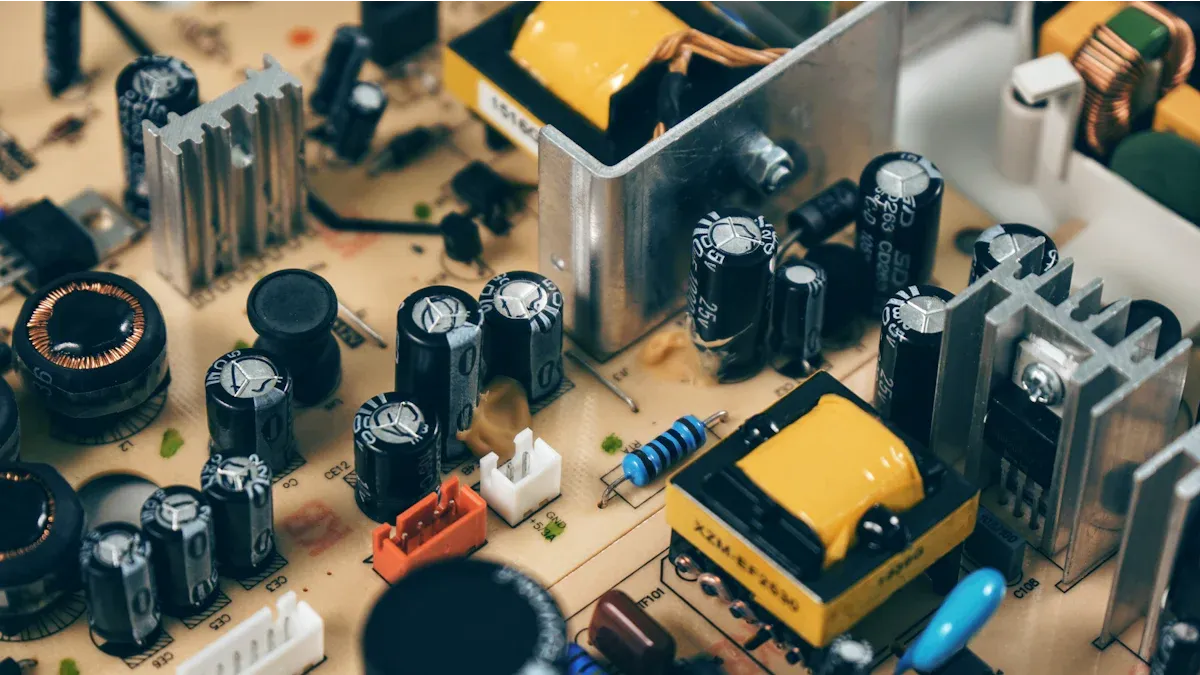
Fusible resistors are found in many electronics you use. They help keep your devices safe from harm. These parts work as both a resistor and a fuse. This means you get two kinds of protection in one part. You can find them in things like:
Power supplies
Battery chargers
Electronic adapters
Fusible resistors slow down the flow of current. They also protect against too much current. If too much current goes through, they burn out safely. This helps stop fires and keeps your device safe. Sometimes, they might turn black or break apart if overloaded. This is actually good because it stops more damage. You count on these resistors to keep your gadgets safe and working well.
Power systems
Fusible resistors are important in power systems. You use them in power supplies, rectifiers, and inverters. These resistors protect circuits from sudden jumps in current. They help control the first rush of electricity when you turn something on. This makes sure power flows safely.
Fusible resistors keep sensitive parts from getting hurt.
They break the circuit if there is a short or too much current.
This gives steady performance and lowers fire risks.
You pick fusible resistors for power systems because they protect well. They help your equipment stay safe and work longer.
Industrial equipment
Industrial machines need strong and steady protection. Fusible resistors give this kind of safety. They help stop circuit failures and cut down on downtime. Here is how they compare to other parts:
| Aspect | Description |
|---|---|
| Circuit Protection | Fusible resistors give steady protection and help prevent failures. |
| Stability of Resistance | They keep resistance steady so equipment works well. |
| Maintenance Frequency | High reliability means less fixing and longer life for your machines. |
| Performance in Harsh Environments | Fusible resistors work well even in tough places and stop early damage. |
You can trust fusible resistors to keep your machines safe and running for a long time.
Automotive uses
Cars need circuits that are safe and reliable. Fusible resistors help protect these circuits from too much current. They stop damage from big surges and short circuits. If something goes wrong, the resistor breaks the circuit. This stops big problems or fires.
Fusible resistors meet strict car safety rules.
They help keep car electronics working safely.
You get good protection for all kinds of car systems.
You rely on fusible resistors to protect your car’s electronics in every situation.
Choosing fusible resistors
Selection tips
You need to pick the right fusible resistors for your project. First, check what current and voltage your circuit needs. Make sure the resistor fits the load you expect. Look at the power rating and choose one that matches your use. If you pick the wrong rating, your device might get damaged or lose protection.
When picking fusible resistors, watch out for these mistakes:
Do not use fusible resistors in circuits that need high accuracy. They are not as exact as other resistor types.
Fusible resistors work slower than regular fuses. They melt to stop the circuit, so some damage can happen first.
After a fusible resistor blows, you cannot use it again. You have to put in a new one.
Manufacturers test fusible resistors to meet world safety rules. These tests check if they are safe, reliable, and work well in different places. Here is a table with some main tests:
| Test Type | Purpose |
|---|---|
| Interrupting Capacity Test | Checks if the fuse can safely stop fault currents. |
| Current-Carrying Capacity Test | Makes sure the fuse can handle its rated current without getting too hot. |
| Time-Current Characteristic Test | Checks if the fuse blows at the right time when overloaded. |
| Vibration & Shock Tests | Makes sure the fuse lasts in tough places. |
| Thermal Cycling Test | Checks if the fuse stays stable when temperatures change. |
| Humidity and Corrosion Resistance Test | Checks if the fuse can handle wet or harsh conditions. |
| Dielectric Strength Test | Makes sure the insulation can take high voltages. |
| Marking and Labeling Verification | Checks if the labels stay clear and correct. |
These tests help you trust that fusible resistors are safe and reliable.
Installation best practices
Installing fusible resistors the right way helps them last longer. Always use these best practices:
Leave at least 0.5 inches between fusible resistors up to 10W and other parts.
For resistors over 10W, keep at least 1 inch of space. This stops them from getting too hot and keeps your circuit safe.
Put fusible resistors away from things that make heat. This helps them work well and keeps protection strong.
Make sure the resistor is held tightly in place. Loose parts can lower protection and make them less reliable.
Tip: Good spacing and tight mounting make your circuit safer and more reliable.
If you follow these tips, your fusible resistor will protect your devices and keep them safe.
You get good safety when you use a fusible resistor. These parts help stop too much current at the start. They also keep your equipment from getting overloaded. Here is a table that shows how they are different:
| Feature | Fusible Resistors | Fuses |
|---|---|---|
| Resistance | 10 Ω | Milliohms to hundreds of milliohms |
| Inrush Current Limiting | Yes | No |
Fusible resistors work well in new electronics. They help save energy and follow new trends. You can count on them to keep your circuits safe now and later. Try using them in your next project for better safety.
FAQ
What happens if a fusible resistor blows?
If a fusible resistor blows, it stops electricity from moving. You need to put in a new one with the same resistance and power. This helps your circuit stay safe and work right.
Can you use a fusible resistor in any circuit?
Fusible resistors are best for circuits that need current limiting and protection. They work well in power supplies, chargers, and adapters. Do not use them in circuits that need high accuracy or quick fuse action.
How do you know if a fusible resistor has failed?
You might see a crack, burn, or color change on the resistor. Your device might stop working or lose power. Use a multimeter to check if the resistor is bad.
Do fusible resistors need special handling during installation?
Yes. Leave enough space around the resistor so it can cool. Mount it tightly so it does not move. Keep it away from things that make heat. Good setup helps the resistor last longer and keeps your circuit safe.
Are fusible resistors reusable after they blow?
No. After a fusible resistor blows, you cannot use it again. You have to put in a new one. This keeps your circuit safe and working as it should.


