


What is the range of a high frequency transformer?
 Jul 14, 2025|
 View:1030
High frequency transformers (HFTs) are essential components in modern power electronics, enabling efficient energy conversion in various applications. Unlike traditional low-frequency transformers, HFTs operate at frequencies typically above 20 kHz, allowing for reduced size, improved efficiency, and better power density. The "range" of a high frequency transformer refers to its operational limits, including power handling capacity, frequency range, voltage levels, and thermal performance. This article explores the key factors influencing the range of HFTs, their design considerations, and their applications in different industries.
1. Power Range of High Frequency Transformers
The power range of an HFT depends on its core material, winding configuration, and cooling mechanisms.
Low-Power high frequency transformers (1 W – 1 kW): Used in switch-mode power supplies (SMPS), LED drivers, and consumer electronics. These transformers are compact and optimized for efficiency at high frequencies.
Medium-Power high frequency transformers (1 kW – 100 kW): Found in renewable energy systems (solar inverters, wind turbines), electric vehicle (EV) chargers, and industrial power supplies.
High-Power high frequency transformers (100 kW – 1 MW+): Used in high-voltage DC (HVDC) transmission, aerospace power systems, and large-scale industrial converters.
The power handling capability is limited by core saturation, copper losses, and thermal dissipation. Ferrite cores are common in low-to-medium power applications, while nanocrystalline or powdered iron cores may be used for higher power densities.
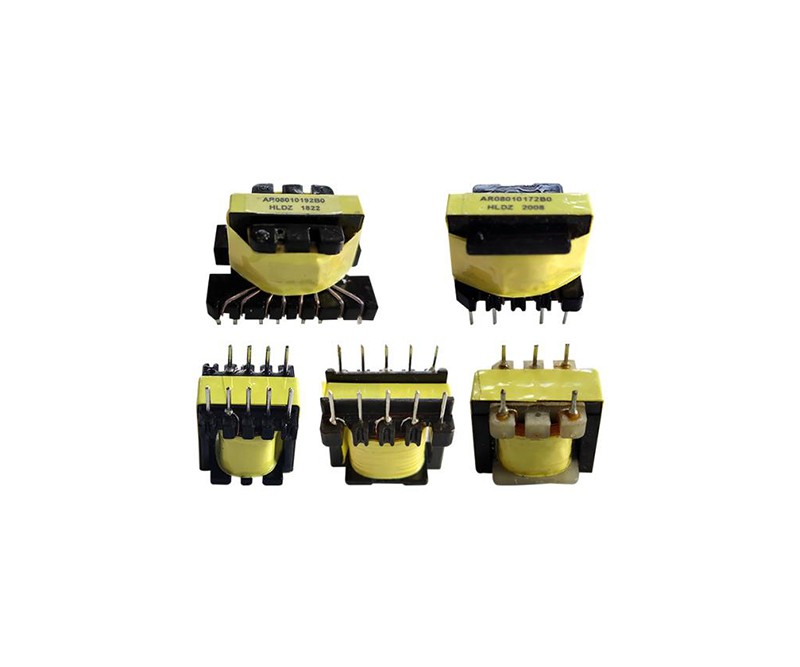
2. Frequency Range and Its Impact
The operating frequency of an High frequency transformer significantly affects its performance:
Typical Frequency Range: 20 kHz – 1 MHz
20 kHz – 100 kHz: Common in industrial and automotive applications.
100 kHz – 500 kHz: Used in telecom power supplies and high-efficiency converters.
500 kHz – 1 MHz+: Found in aerospace and specialized medical equipment.
Key Considerations:
Core Losses: Increase with frequency due to hysteresis and eddy currents. Ferrite cores are preferred for high frequencies due to low losses.
Skin Effect: At higher frequencies, current tends to flow near the conductor's surface, increasing resistance. Litz wire is often used to mitigate this effect.
Parasitic Capacitance and Inductance: High-frequency operation exacerbates parasitic effects, requiring careful winding techniques.
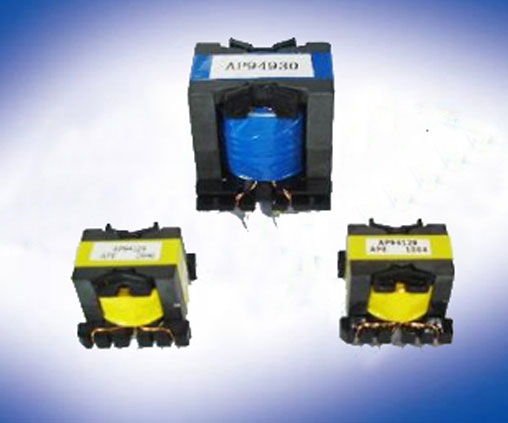
3. Voltage and Isolation Range
High frequency transformers provide galvanic isolation and voltage transformation in various systems:
Low-Voltage Applications (< 1 kV): Used in DC-DC converters, USB power delivery, and battery management systems.
Medium-Voltage (1 kV – 10 kV): Found in solar inverters, EV charging stations, and industrial motor drives.
High-Voltage (> 10 kV): Used in HVDC systems, pulsed power applications, and medical imaging equipment.
Isolation Requirements:
High frequency transformers must maintain dielectric strength to prevent breakdown. Materials like polyimide tape and epoxy coatings enhance insulation.
Creepage and clearance distances are critical in high-voltage designs to avoid arcing.
4. Thermal and Efficiency Considerations
The efficiency of an high frequency transformer degrades with increasing power and frequency due to:
Core Losses (Hysteresis & Eddy Currents): Minimized by using high-permeability, low-loss core materials.
Copper Losses (I²R Heating): Reduced through proper wire gauge selection and cooling methods.
Thermal Management:
Natural convection cooling suffices for low-power high frequency transformers.
Forced air or liquid cooling is required in high-power applications.
Advanced designs may incorporate heat sinks or thermally conductive potting materials.
Typical efficiency ranges from 90% to 98%, depending on design optimization.
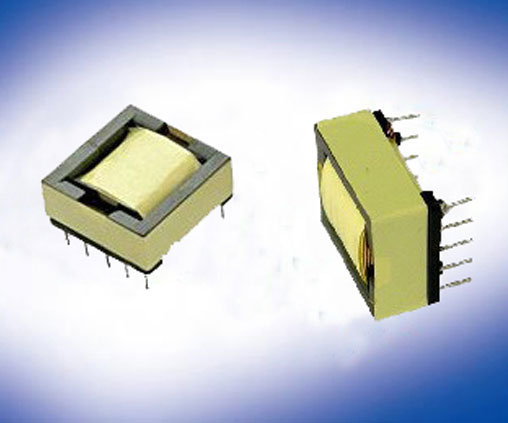
5. Applications of High-Frequency Transformers
5.1 Power Supplies & Consumer Electronics
Switched-Mode Power Supplies (SMPS): Enable compact and efficient AC-DC conversion in laptops, TVs, and chargers.
LED Drivers: Provide stable current at high frequencies for lighting systems.
5.2 Renewable Energy Systems
Solar Inverters: Convert DC from solar panels to grid-compatible AC.
Wind Turbines: Facilitate power conditioning and grid integration.
5.3 Electric Vehicles & Charging Infrastructure
Onboard Chargers (OBCs): Convert AC from charging stations to DC for battery storage.
Wireless Charging Pads: Use resonant HFTs for contactless power transfer.
5.4 Industrial & Aerospace
Induction Heating: High frequency transformers enable precise heating in manufacturing.
Aircraft Power Systems: Lightweight HFTs are used in more electric aircraft (MEA) designs.
5.5 Medical & Telecommunications
MRI Machines: Require high-voltage, high frequency transformers for imaging.
5G Power Amplifiers: Use HFTs for efficient RF power conversion.
The range of a high frequency transformer spans power levels from milliwatts to megawatts, operating frequencies from 20 kHz to over 1 MHz, and voltage levels from a few volts to tens of kilovolts. Advances in materials, cooling techniques, and semiconductor technology continue to expand the capabilities of high frequency transformers, making them indispensable in modern power electronics. As industries demand higher efficiency and miniaturization, the future of high-frequency transformers lies in innovative designs that push the boundaries of performance while maintaining reliability.


