


 Oct 31, 2025
 View:634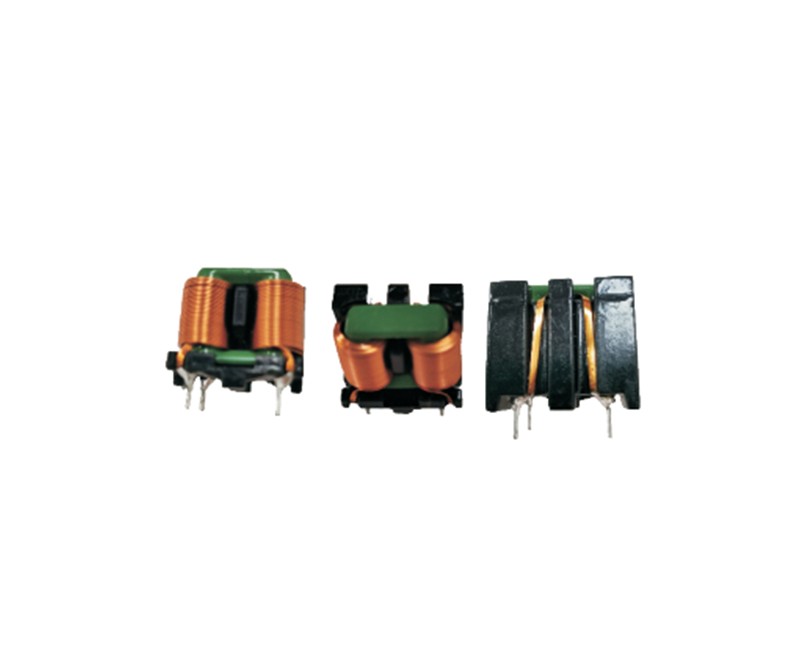
You can think of a common mode choke like a security guard for your electronics. It stops unwanted high-frequency noise from getting in and messing up your devices. It still lets the signals you want go through. This is important because noise can make coil whine. Noise can also make devices not last as long. It can even make electric cars less comfortable. You count on the choke to help your gadgets work well and stay quiet, just like a guard keeps a building safe.
High-frequency noise can bother people with coil whine.
It can hurt electronics over time.
It can make cars less comfortable and lower their quality.
Key Takeaways
Common mode chokes work like guards for electronics. They block unwanted noise but let good signals go through. These chokes help devices work better by lowering electromagnetic interference. They also help electronics last longer. To pick the right common mode choke, you need to check some features. Look at the frequency range, inductance value, and temperature range. This helps make sure the choke works well. Common mode chokes are important in many devices. You can find them in computers and cars. They help keep signals clean and stop problems like coil whine. Knowing the difference between common mode and differential mode signals is helpful. It helps you pick the right choke for each job.
What Is a Common Mode Choke

Simple Definition
You can find a common mode choke in many electronics. It looks like a small coil with wires around a core. Electrical engineering books say it has two or more windings on one core. People use it to lower unwanted currents that move together on several wires. These currents are called common mode currents. The choke lets wanted signals go through and blocks signals you do not want.
Imagine a common mode choke as a filter. When you pour water through a coffee filter, it keeps the grounds out. The filter lets the liquid pass but stops the bits you do not want. The choke works the same way to keep noise out of your electronics.
You see common mode chokes in computers, chargers, and cars. They help your devices stay quiet and work well.
Main Purpose in Circuits
You use a common mode choke to keep electronics free from noise. Its main job is to block unwanted signals and let good ones pass. Here are the main things it does:
Noise Suppression: The choke stops unwanted noise signals from bothering your device.
Impedance Matching: It gives high resistance to noise but low resistance to wanted signals.
Filtering High-Frequency Noise: The choke removes high-frequency noise better than other parts.
DC Biasing: The choke can block direct current but lets alternating current signals pass.
You may wonder how a common mode choke is different from other inductors. The table below shows how they are not the same:
| Feature | Common Mode Choke | Differential Mode Choke |
|---|---|---|
| Purpose | Suppresses common mode noise | Targets differential mode noise |
| Construction | Two windings on a single core | Usually a single inductor on a magnetic core |
| Winding Direction | Identical windings wound in the same direction | Can have two separate inductors in series |
| Core Material | High-permeability ferrite core | Magnetic core, often a single inductor |
A common mode choke uses two windings on one core. This design helps block noise that moves together on both wires. A differential mode choke works in a different way and blocks other signals.
The materials in a common mode choke are important. You often see ferrite and powdered iron in the core. Ferrite has high magnetic permeability and works well for many frequencies. Powdered iron is stable and can be changed for different uses. The wires are usually copper or aluminum. Copper carries electricity well and handles heat. Aluminum costs less and weighs less, but you need thicker wires for the same job.
Copper: High electrical conductivity, good thermal conductivity, ductility.
Aluminum: Lower density, less expensive, needs larger cross-sectional area for same resistance.
You pick a common mode choke to keep your electronics safe from noise. You get better sound, longer life, and smoother operation in your devices.
How Common Mode Chokes Work
Filtering Noise vs. Passing Signals
A common mode choke helps keep noise out of electronics. It works like a filter that blocks high-frequency signals you do not want. Lower frequency signals, like DC or important data, can go through easily. You see this in computers and chargers. The choke helps stop electromagnetic interference. Your gadgets work better because of this.
The choke blocks high-frequency AC signals that make noise.
It lets lower frequency DC signals pass through.
Devices have less noise, so there is less coil whine and fewer problems.
When you plug in a cable, the choke limits common-mode current on the cable’s surface. This stops the cable from acting like an antenna for bad signals. You get cleaner sound and better device performance.
Magnetic Flux and Energy Loss
Magnetic flux is important in how a common mode choke works. The two coils inside make magnetic fields. When common mode noise tries to pass, the magnetic flux from both coils adds up and blocks the noise. If you send a differential signal, the magnetic flux cancels out, so the signal goes through.
Magnetic flux from both coils helps block common mode current.
The flux cancels out differential mode current, so your signal passes.
The way the windings are set matters. Black dots in diagrams show how coils connect.
Energy loss in a common mode choke depends on a few things. The table below shows what affects energy loss:
| Factor | Description |
|---|---|
| Core Material | Different magnetic properties change insertion loss. High permeability can mean more loss at low frequencies. |
| Turns Ratio | More turns give more inductance and more insertion loss. More resistance means extra losses. |
| Winding Configuration | How the wires are arranged changes performance. Bifilar winding can help coupling and lower insertion loss. |
| Frequency | Insertion loss changes with frequency. At low frequencies, inductance matters most. At high frequencies, capacitance and core loss matter. |
You need to pick the right choke to keep energy loss low and performance high.
Common Mode vs. Differential Mode
Common mode and differential mode signals act differently in circuits.
Common mode signals move the same way on both wires. They do not carry data and often cause noise or ground loops.
Differential mode signals go in through one wire and out another. You measure their voltage compared to ground. These signals carry data and can cancel interference if managed well.
A common mode choke has several coils of insulated wire around a magnetic core. This design gives high resistance to common mode signals and blocks noise. It lets differential mode signals pass with little resistance. The magnetic fields from the coils combine to block common mode noise and let wanted signals through.
You find common mode filters in fast digital interfaces like USB and HDMI. They remove noise that travels in common mode and let differential mode signals pass. This keeps your data safe and your devices working well.
Tip: Pick a common mode choke that matches the signals in your device. This blocks noise and helps your electronics work smoothly.
Common Mode Choke Structure

Core Material and Windings
The core material and how the wires are wrapped are very important in a common mode choke. Most companies use ferrite or nanocrystalline materials for the core. Ferrite cores are made from MnZn or NiZn. These work well for lower frequencies and cost less money. Nanocrystalline cores are made from Fe-Si-Nb-Cu-B alloys. They work better at higher frequencies and stay strong when it gets hot. If you want to block more noise or need a smaller part, nanocrystalline cores are a good choice.
The way the wires are wrapped around the core matters a lot too. There are different ways to wrap the wires, like bifilar or sectional. These ways change how much inductance and capacitance the choke has. More wire turns mean more inductance, which helps block bad signals. The way the wires are wrapped also changes how well the choke stops noise. If the wires are close together, the magnetic flux works better, so the choke blocks more noise.
Tip: When picking a common mode choke, check the core material and how the wires are wrapped. These things decide how well your device can stop noise.
Physical Design
Common mode chokes come in many shapes and sizes. Most use ferrite cores. You will see shapes like toroidal, E-shaped, and U-shaped. Toroidal cores are best for radio frequency circuits. They keep impedance steady at different frequencies. E-shaped cores are good for high current. U-shaped cores are not used as much.
Here is a table that shows the main types used in electronics:
| Type of Construction | Mounting Configuration | Inductance Range |
|---|---|---|
| Molded | Horizontal/Vertical | 0.075 uH to 142 mH |
| Encapsulated | Horizontal/Vertical | 0.075 uH to 142 mH |
| Vacuum Impregnated | Horizontal/Vertical | 0.075 uH to 142 mH |
| Open | Horizontal/Vertical | 0.075 uH to 142 mH |
The size of the choke is important too. Bigger chokes can have more wire turns. This gives more inductance and better filtering. The size also helps the magnetic flux work better between the wires. This blocks more noise. If you use a bigger choke, it works better, but you need to make sure it fits in your device.
Ferrite cores are used the most.
Toroidal shapes are best for RF circuits.
E-shaped cores are good for high current.
U-shaped cores are not used as much.
The way a common mode choke is built decides how well it keeps your electronics safe from noise and keeps signals clear.
Applications of Common Mode Chokes
Power and Data Line Uses
Common mode chokes are found in many devices. They are used where power and data lines connect. These chokes work on both types of lines. They block common mode noise. They let wanted signals pass through easily. You see them inside computers and chargers. They are also in cars. When you charge your phone, a choke keeps the signal clean. It stops bad noise from moving along wires. This keeps your device safe.
Common mode chokes help power supply circuits a lot. You get many good things when you use them:
They lower electromagnetic interference (EMI).
They make signals better.
They help systems work well.
They filter high-frequency noise for more efficiency.
They keep signals strong and help devices last longer.
They stop overheating and signal problems.
You count on these chokes to keep electronics working and lasting longer.
Problems Solved in Electronics
Common mode chokes fix many issues in electronics. Noise and interference are common problems. These chokes lower electromagnetic interference. They give high impedance to common mode signals. They give low impedance to differential signals. This helps keep signals clear.
Here are some problems that common mode chokes fix:
They limit big voltage surges on bus lines.
They protect your circuits from damage.
They block common mode noise that causes errors.
They keep your signals strong.
They give high impedance to common mode currents.
They stop noise from messing up your signals.
They lower conducted emissions.
They help devices meet EMC rules and work with other electronics.
Note: Sometimes, common mode chokes can cause sudden spikes during short circuits. These spikes can make high voltages. High voltages can hurt sensitive parts in your device. You need to pick the right choke and use it carefully.
You use common mode chokes to make electronics safer and quieter. They help your devices work better and have fewer problems.
Selecting a Common Mode Choke
How to Identify
You can spot a common mode choke by looking for a small coil with two or more wires wound around a core. These chokes often sit near power or data lines on a circuit board. You may see them in shapes like rings or blocks. Labels on the part or the circuit board can help you confirm the type. If you check the datasheet, you will find details about the choke’s size, inductance, and current rating.
When you pick a choke, you need to look at some important features:
Frequency range: Check if the choke works for the noise you want to block.
Inductance value: Make sure it matches the current in your circuit.
Saturation current: The choke should handle the highest current without losing strength.
Insertion loss: Higher insertion loss means better noise blocking.
DC resistance: Lower resistance is better for saving power.
Package size: Pick a size that fits your board.
Temperature range: The choke must work well in your device’s temperature.
Shielding: Use shielding for places with lots of interference.
Cost: Choose one that fits your budget.
Certification: Make sure it meets safety standards.
Tip: Always check the datasheet for these details before you buy a choke.
Choosing the Right Type
You need to choose the right common mode choke for your project. Different chokes work better for different jobs. Some chokes block more noise, while others cost less. Here is a table that compares a few popular models:
| Brand/Model | Choking Impedance (Ohms) | Isolation (dB) | Cost Comparison |
|---|---|---|---|
| MyAntennas CMC-130S-3K | 5,000 - 10,000 | Up to 41 | Less than Palomar |
| Palomar MAXI-CHOKER | 500 - 5,000 | Up to 38 | Similar price |
| MyAntennas CMC-130-3K | Minimum 10,000 | Up to 41 | Similar price |
You may notice that some chokes, like the MyAntennas CMC-130-3K, can lower noise and fix radio frequency interference problems better than others. If you switch from a basic ferrite ring to a high-performance choke, you will often see a big improvement.
When you select a choke, avoid these common mistakes:
Do not ignore the choke’s limits. If you use it in a high-noise area, it may not work well.
Watch out for core saturation. If the current gets too high, the choke may stop blocking surges.
Remember thermal management. If the choke gets too hot, it may not work as expected.
If you follow these steps, you will pick a choke that blocks emi and keeps your electronics safe.
You put common mode chokes in electronics to keep them quiet. These parts help block noise and protect signals. They also match impedance so devices work well.
Think of a tunnel with two lanes. Signals go in opposite ways easily. Noise that moves together gets stopped.New chokes work better and fit into smaller places. You find them in cars, phones, and 5G networks.
If you want to know more, check out resources about picking and using chokes for more details.
FAQ
What happens if you do not use a common mode choke?
You may notice more noise in your devices. Speakers can buzz. Screens may flicker. Your electronics might not work as well or last as long.
Can you use a common mode choke for both AC and DC circuits?
Yes, you can use a common mode choke in both AC and DC circuits. It blocks unwanted noise in both types. You get cleaner signals and better performance.
How do you know if a common mode choke is working?
You can check for less noise or interference. If your device sounds quieter or works better, the choke does its job. Some people use special meters to test noise levels.
Do common mode chokes get hot during use?
Most chokes stay cool. If you use the right size, it should not get hot. If it feels warm or hot, you may need a bigger choke or a different type.


