


IATF 16949 Certified Inductor Manufacturer Serving Global OEMs
 Aug 04, 2026|
 View:150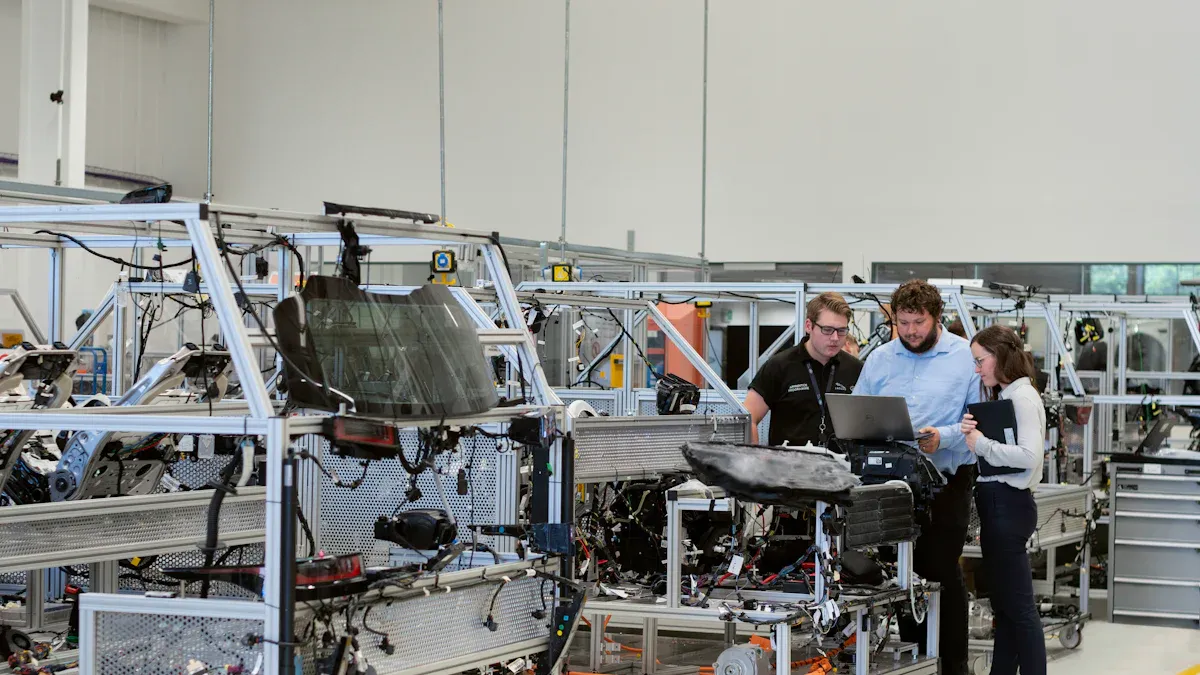
New electric cars need reliable parts. A good automotive partner follows strict rules. The IATF 16949 certification proves an Inductor Manufacturer can supply reliable vehicle electronics. Top suppliers guarantee top quality and consistent production.
Automotive-grade products need strict AEC-Q200 testing. This helps them handle heat and strong shaking in cars.
These parts lower risks and keep supplies steady for global car makers and top leaders.
Key Takeaways
IATF 16949 certification guarantees top quality.
It also stops bad car electronics.
AEC-Q200 testing checks car parts carefully.
Parts survive hot heat and hard shaking.
Great process rates lower product flaws fast.
They reduce defects to almost zero.
Top makers track every raw material well.
This keeps the supply chain very reliable.
Value of IATF 16949 Certification in Automotive Manufacturing
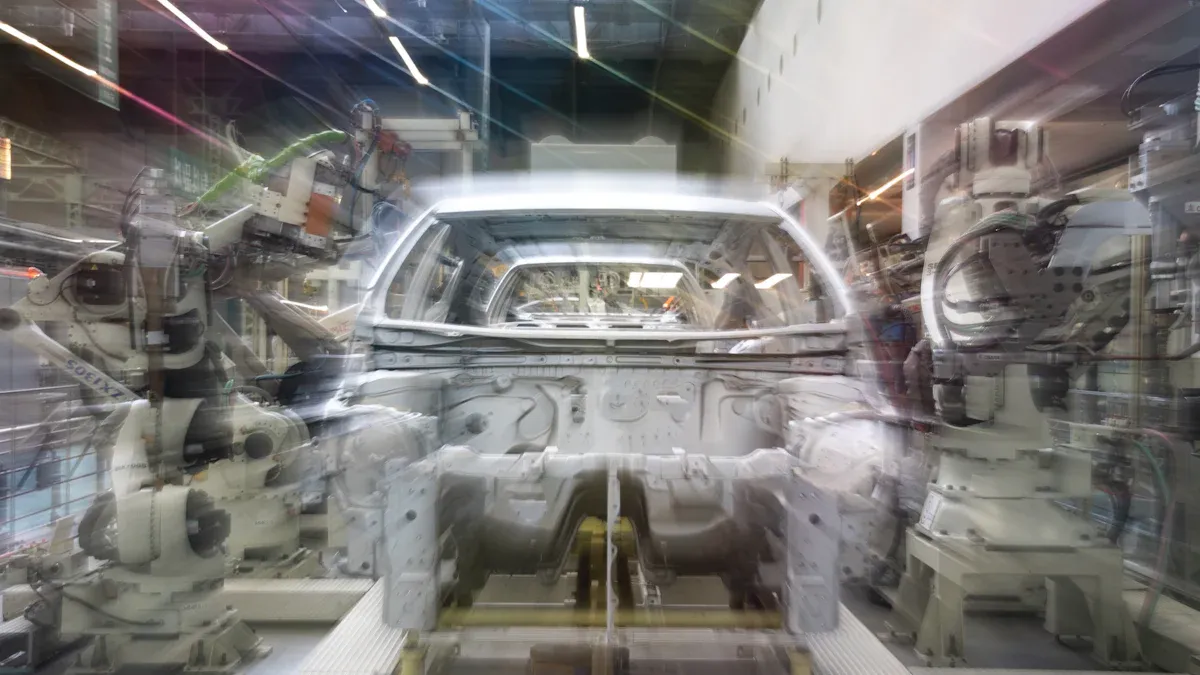
Car electronics must work well. Broken parts create huge safety risks. Good sellers like Changzhou Southern Electronic Element Factory Co., Ltd. have over 30 years of experience. They easily meet global rules. The IATF 16949 certification builds a strong system. It helps factories improve daily. This system stops bad parts. It also keeps supply lines steady.
IATF 16949 vs Standard Industrial ISO 9001
ISO 9001 helps satisfy basic buyers. Yet, car production needs tighter rules. General industry rules allow bigger mistakes. Automotive rules stop risks early.
IATF 16949 compliance changes factories using smart lean methods.
Using this special system saves money for global car makers:
Lower costs for fixing broken parts
Less scrap during factory assembly
Reduced need for fixing mistakes
Happier buyers overall
Stopping defects early saves money. It costs less than fixing broken cars. These savings easily cover initial costs for suppliers.
AEC-Q200 Qualification for Passive Components
Car parts must survive harsh places. AEC-Q200 compliance ensures parts endure heat. They also handle heavy shaking. Engine controls need long durability. Good AEC-Q200 parts work in harsh conditions:
Temperature Range Requirements: Engine parts need to work from -40°C to +125°C. Hot places require limits up to +150°C.
Vibration Levels: Engines cause strong shaking for inductors. Tough parts prevent physical damage.
Engineers test car parts using special stress methods:
High Temperature Exposure (Storage)
High-Temperature Operating Life (HTOL)
Temperature Cycling
Humidity Bias
A real inductor manufacturer runs these tests to ensure long life.
Target Capability Indices and Zero-Defect Goals
Car factory lines need zero bad parts. Factories track quality with process capability indices ($C_{pk}$). A normal $C_{pk}$ of 1.33 creates about 63 bad parts. Critical car parts need a higher $C_{pk} \ge 1.67$.
Metric Benchmark | Industry Standard / Application | Statistical Performance / Defect Target |
|---|---|---|
Cpk = 1.33 | Standard automotive characteristics | ~63 PPM defect rate |
Cpk = 1.67 | Safety-critical features in vehicles | ~0.57 PPM (Near Six Sigma quality) |
Brakes, steering, and power parts need this 1.67 level. A $C_{pk}$ of 1.67 lowers failure risks to 0.57 parts. Certified factories keep bad parts below 50 PPM. This strict system protects car makers from expensive recalls.
Advanced Product Quality Planning and Process Controls
A smart inductor manufacturer uses clean plans. They stop build risks early. Advanced Product Quality Planning guides product steps. Five clear phases help the team. This path keeps automotive quality management very safe. It works from ideas to large batches.
Phase | Focus Area | Key Objectives & Deliverables |
|---|---|---|
Phase 1: Planning and Program Definition | Customer Requirements & Program Framing | Find client needs. Set high goals. Draw initial build steps. List preliminary parts. Mark special traits. |
Phase 2: Product Design and Development | Design Completion & Feasibility | Run deep DFMEA tests. Check design notes. Set clean specs. Form early control plans. Pick tools. |
Phase 3: Process Design and Development | Manufacturing Process Planning | Make shop maps. Plan floor space. Use Process FMEA tools. Write work rules. Set capability plans. |
Phase 4: Validation of Product and Process | Testing & PPAP Approval | Run large test lines. Check metric systems. Verify capability stats. Get client sign-off (PPAP). |
Phase 5: Production Launch, Assessment, and Continuous Improvement | Full Scale Output & Optimization | Start big production lines. Stop small changes. Apply learned ideas. Improve client joy. |
APQP Pipeline for Custom Inductor Design
Engineers set goals first. They use clear client needs. Designers check for bad risks in Phase 2. They ensure the plan works well. Developers draw shop steps in Phase 3. They write control plans too. Test teams stress parts in Phase 4. They get final customer okays. Phase 5 boosts big runs. It delivers great automotive-grade products daily.
Statistical Process Control in High-Volume Production
New factories use math tools. They check daily shop facts. Workers monitor winding limits. They check gaps with smart devices. A real quality management system spots tiny changes fast. This action stops mistakes early. Live facts keep machines running well. Long factory runs stay safe.
Automated Inspection and High-Frequency Testing
Smart vision cameras check pins fast. They inspect solder points and sizes instantly. High-frequency meters test real inductance. They check DC resistance and power loss quickly. Special testing tools check total quality. They work before shipping parts out. The quality management system uses these checks. It delivers automotive-grade products with zero errors.
Regulatory Compliance and Approval Frameworks
Global auto makers want strict rules met first. Factory teams test parts to ensure safety.
Production Part Approval Process Level 3 Standards
Big suppliers need PPAP Level 3 files. This setup holds design records. It includes test facts. It tracks safety plans. Makers send sample parts. They add size reports. These papers show good auto parts. Clear tests prove high process safety early.
IMDS Reporting and Material Traceability
Car suppliers send chemical lists using IMDS. This system checks all parts. Engineers upload details for every drum core inductor. They track each transformer too. Factory tools tag core parts. They tag wire batches. Systems save build dates. They record worker names. Fast tracking limits bad parts quickly.
Environmental Compliance for Global Markets
World markets use strict green laws. Good makers follow ISO 14001 rules. Products obey RoHS guidelines. They meet REACH rules. Teams drop bad lead. They remove cadmium. Quality steps stop dirty toxins. Staff gives strong quality assurance for green cars. Safe parts help clean transport today.
Selecting an Automotive Inductor Manufacturer for Global OEMs
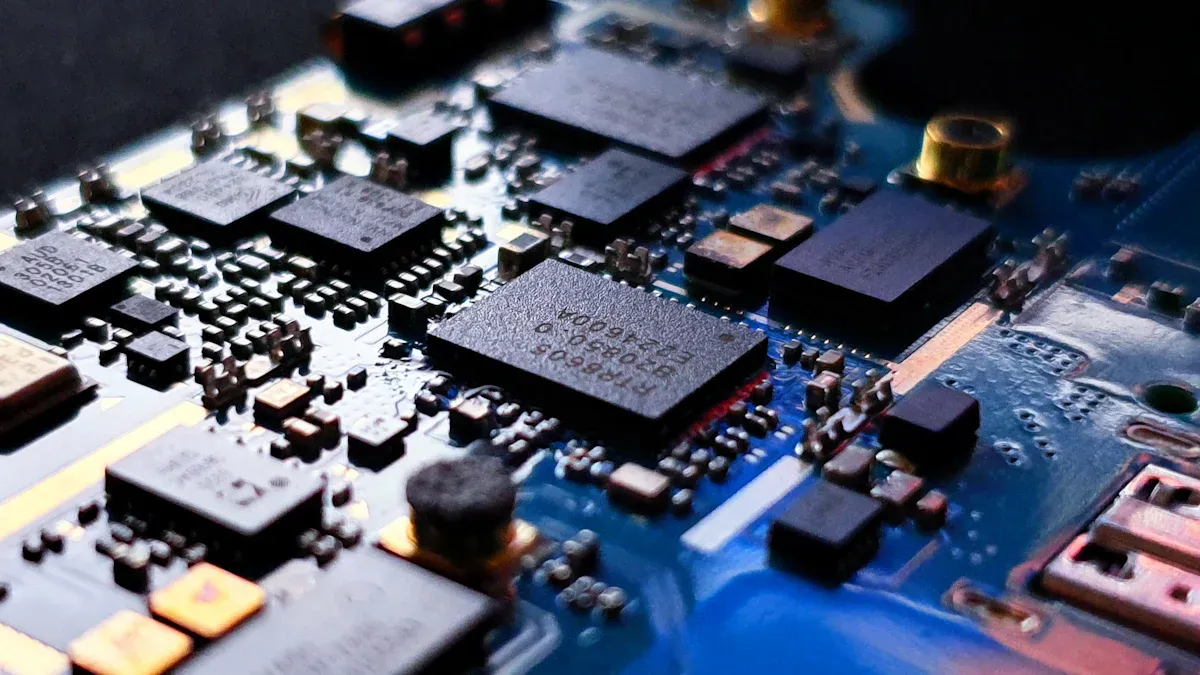
Picking a good partner takes work. Global teams check factory skills first. They want a top inductor manufacturer. Buyers look at main facts:
Technical Skill: Making parts with low heat.
Quality Checks: Passing all strict stress tests.
Big Output: Using smart tools for big orders.
Strong Supply: Keeping raw parts ready always.
Helpful Service: Answering questions fast with good prices.
High-Purity Copper and Ferrite Core Engineering
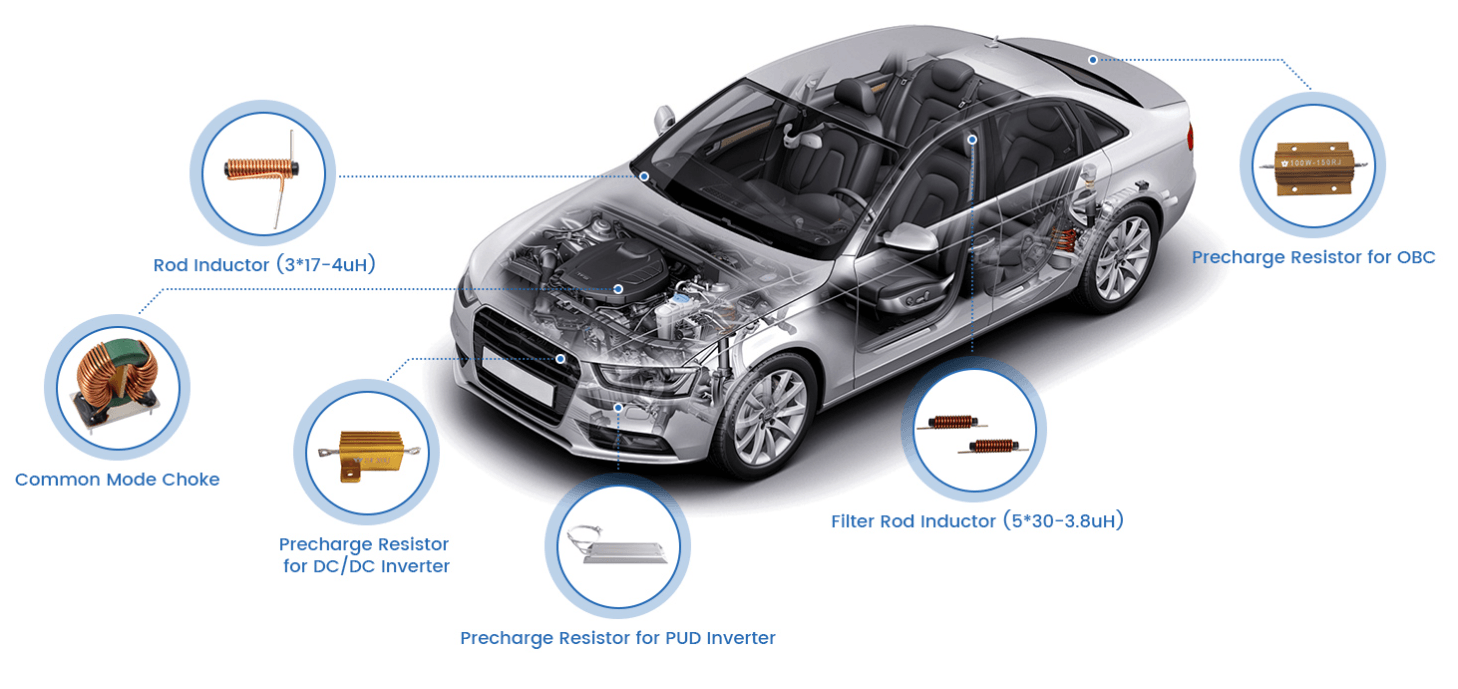
Car systems create high heat daily. Strong parts use pure copper wire. Engineers make drum core inductors to lower heat loss. Good SQ-type common mode chokes stop bad noise. Modern SMT transformers keep power signals clean.
New core mixes boost power output. This table shows main core types:
Core Formulation / Material | Primary Performance Features | Target Applications / Operating Conditions |
|---|---|---|
Mn-Zn Ferrite (PEM95 / PC95 Series) | • High heat safety past 100°C | • Onboard chargers in electric cars |
Power Inductors and Chokes for EV OBC and Inverters
New electric cars use complex power units. On-Board Chargers (OBC) need steady parts. DC/DC converters handle huge voltage shifts daily. Engineers need parts with high heat output.
High-frequency transformers stop sharp power spikes. High-density cores keep inductance smooth always. These parts protect clean automotive electronic products. Smart cooling stops parts from breaking down.
Good heat management stops power losses during heavy use.
MES Traceability and In-House Reliability Testing Labs
Top suppliers use smart shop software. It logs every build step fast. The system saves raw material details. It tracks machine settings and worker IDs. Digital records track all automotive-grade products.
In-house labs test parts under extreme heat. Special tools shake parts very hard. Design teams make non-standard custom designs too.
Makers like Changzhou Southern Electronic Element Factory keep supplies safe:
Fast Shipments: Keeping a clean 100% on-time delivery record.
Deep Experience: Using over 18 years of work skills.
Strict Safety: Holding ISO 14001 and IATF 16949 passes.
Big Partners: Working well with Fortune 500 firms.
These smart shop tools protect part quality daily. They send safe automotive-grade products to car lines.
IATF 16949 certified plants cut big supply risks. They help top car makers daily. A strong quality management system brings great safety. It protects all automotive electronic products well.
Combining AEC-Q200 rules helps a lot. PPAP Level 3 files add safe tracking. Modern test tools ensure zero-defect output. New automotive quality management stops bad delays. It avoids broken parts fast.
Engineers and buyers must choose wisely today. Work with a top inductor manufacturer now. Get safe automotive-grade products for your needs.
FAQ
What makes an inductor manufacturerIATF 16949 certified?
This pass shows a plant uses strict safety steps. Certified makers fix flaws fast. They stop bad build errors. They also cut heavy shop trash. World car firms need this key pass. It keeps supply lines safe. It helps build clean parts daily.
Why do EV uses need AEC-Q200 qualified inductors?
This mark proves parts endure tough stress. Tested items take big heat. They take strong shaking. They take heavy air moisture too. Parts work from -40°C to +125°C. Electric car systems need these strong parts. They keep drivers safe daily.
What role does PPAP Level 3 play in car inductor supply?
This paper set gives full part records. Sellers send real sample parts. They send clear size notes. They send part origin tracking. They add daily work plan maps. These facts prove good plant safety. They clear items for mass production.
Key Takeaway: PPAP Level 3 papers lower build risks early. They check parts before big runs.
How does Changzhou Southern Electronic Element Factory support custom car designs?
This plant creates custom part designs. Smart engineers make special power parts. They build SQ-type common mode chokes. They form clean SMT transformers too. Smart computer software tracks every build. On-site test labs check key parts. They ensure high heat safety.
Recommended Products

Common Mode Choke-SQ2418 (Horizontal Type)

Common Mode Choke for DC/DC Inverter (TCC-JG3113-1.3uH)

Common Mode Choke for DC/DC Inverter (TCC-JG3113-39uH)

Common Mode Choke-SQ3224 (Horizontal Type)

Common Mode Choke-SQ3224 (Vertical)

Common Mode Choke-SQ2820 (Vertical)

Common Mode Choke-SQ2418 (Vertical)

UU Type Common Mode Choke

Common Mode Choke-SQ1918 (Horizontal Type)

Common Mode Choke-SQ1918 (Vertical)


Recent News
1.How to Select Automotive Grade Rod Inductors for EV Applications
2026-07-132.Toroidal Coils vs Rod Inductors for Motor Controller Filtering
2026-07-203.One stop solution provider for electronic components
2026-07-064.SMD Inductors vs. Power Inductors: Key Differences
2026-06-305.Top 10 Applications of Choke Inductors in 2026
2026-06-156.TOP 10 Carbon Resistor Brands in the worldwide
2026-06-127.Top 10 Toroid Core Inductor Manufacturers Worldwide
2026-05-258.How to Find the Right Precharge Resistor for Safe and Reliable EV Power-Up
2026-05-189.What are the best common mode chokes for EMI suppression?
2026-05-1110.A Complete Guide to Wire Wound Resistor Types and Uses
2026-04-28

